
Stories first live in the body. They prickle across the skin as goosebumps, catch in the throat as a gasp, and move along a family line, changing slightly with each retelling. A good story lingers, reshaping memory and place so that a river, a vacant lot, or a patch of brush never feels quite the same again.
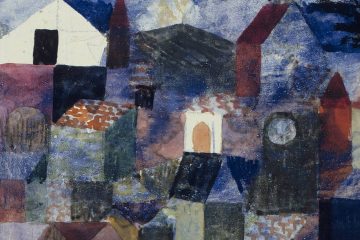
When visitors step into New Horizons: The Western Landscape at the Amon Carter Museum of American Art, they won’t find sagebrush clichés, cowboys in silhouette, or sweeping vistas painted to satisfy nostalgia.
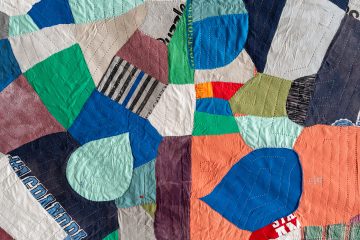
The first stitch in Marilyn Henrion’s journey to becoming an acclaimed textile artist began in two rooms on New York’s Lower East Side where she lived alongside her parents and seven siblings.
From a self-portrait worth $55 million to hand-painted shoes on Etsy, from egg cups to a biographical ballet and lookalike festivals across the globe, very few artists have ever inspired and driven the world’s imagination like Frida Kahlo.
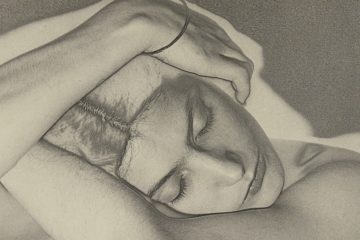
On a November night in Paris in 1925, a collective of outlier artists launched a movement intent on tapping into unconscious creativity. A century later, surrealism’s unsettling imagery and thought-provoking themes still seem as timely as the years it was introduced.
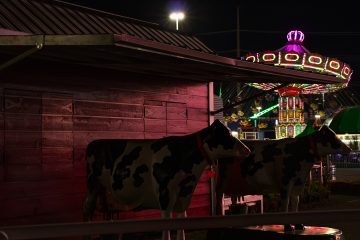
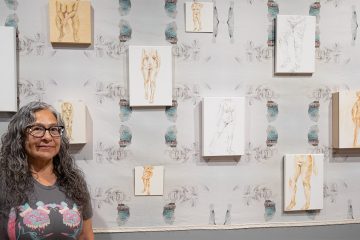
In a city like Houston, one vast, improvisational, and definitely plural, artists often find their footing not through institutions, but through the communities that rise between them.