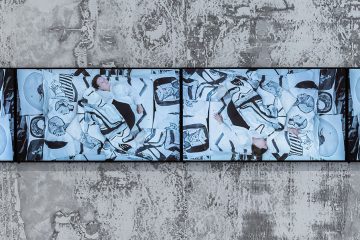


“I'm sort of a frustrated writer, in a sense,” Candace Hicks tells me over Zoom. “And so, making artist books is a way of self-publishing. It’s also a way of making things permanent.”
As an artist, curator, and cultural leader, Lauren Saba looks back at ten years of her gallery and feels a certain sense of satisfaction, knowing that she always trusted her intuition.
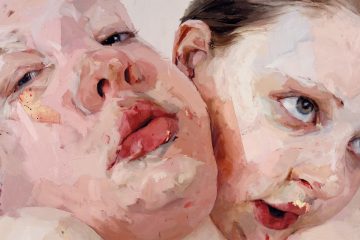
It’s 1992 at Glasgow School of Art. A seven-foot-by-six-foot painting that portrays a thick, fleshy female nude, subtly snarling and sitting on a pedestal, towers above visitors to an undergraduate exhibition.
In Zalika Azim: Blood Memories (or a going to ground), the ground is never just ground; it is a witness and a griot, a surface that keeps score of what passes over it and what takes root.
In the Kimbell Art Museum’s Renzo Piano Pavilion, 58 ancient marble sculptures—some gods, others emperors, still others ordinary Romans—stand in commanding silence, carrying with them the weight of centuries.
A city floats a mile above the earth. Transparent modules glint with water vapor, neon pulses like a heartbeat, and the promise of a different kind of life hums in the air. This is The Hydrospatial City, the centerpiece of Gyula Kosice: Intergalactic, on view Oct. 26-Jan. 25, 2026 at the Museum of Fine Arts Houston.
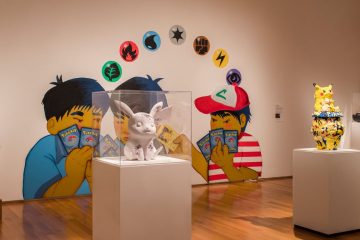
There is a certain charge that comes when artists insist that the stuff of daily life, its toys, its rituals, its messes, belongs on the same stage as monuments and masterpieces.