This July, Deep Ellum, the historic Dallas neighborhood where blues once spilled from clubs into the street and where artists still gather in stubborn defiance of cultural amnesia, will become the setting for a new experiment in collective listening.
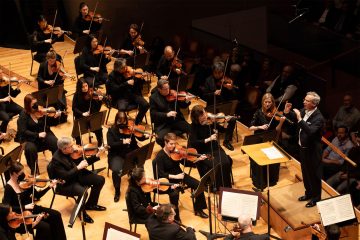
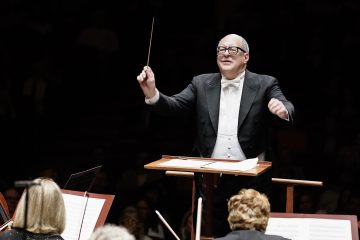
The Fort Worth Symphony Orchestra has long been a cornerstone of North Texas’ cultural landscape, but under the leadership of music director Robert Spano and principal guest conductor Dame Jane Glover, the ensemble has transformed into one of the most innovative orchestras in the country.
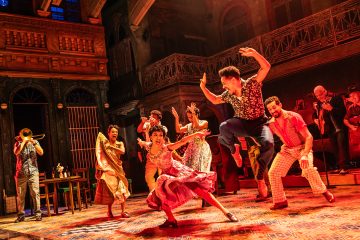
With more than 615 performances, featuring artists from over 42 countries, and 180 debut events since its founding in the 1980s, TITAS/DANCE UNBOUND continues to redefine what it means to experience dance in North Texas.
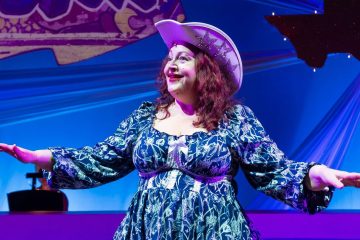
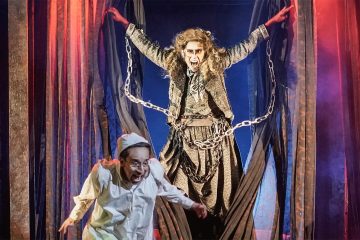
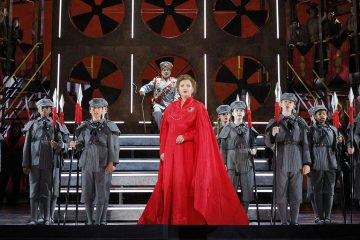
The Dallas Opera’s outgoing CEO sums up the company’s plans for next season simply. “The season as a whole is really entertainment-forward,” Ian Derrer says.
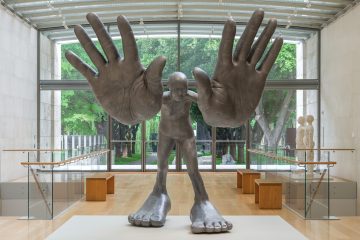
When gallerist Liliana Bloch said to me, "If you keep giving people what they want, then you're going to miss what they need to see," I considered ending the interview right then and there. What more was there to say about how to make a meaningful impact?