


The news is out: Artist and activist Joyce Kozloff was one of the founding members of the Guerrilla Girls. She dropped her mask of anonymity as part of the Feminist Interview Project and offered succinct advice to women today: organize and support one another.

Efforts like those of Ingle and the Vignette Art Fair are working, even if slowly. According to The Art Basel and UBS Global Art Market Report 2026, female artist gallery representation is now at 45% across international markets. But equality remains elusive. While sales by value are up, the report also states that “disparities persist at the highest revenue levels.”
With conventional art fairs comprising galleries who show work by the artists they represent, and many aiming to get top dollar, it’s no surprise that women artists are still underrepresented in the maze of booths. Vignette Art Fair is actively giving this model a much-needed refresh, in more ways than one.
“Visitors won’t encounter rows of gallery spaces or sales representatives; instead, they’ll experience thoughtfully installed works arranged in dialogue with one another,” Ingle explains. “This exhibition model encourages slower looking, deeper engagement, and unexpected connections between artists and ideas. Because each year’s guest curator brings a unique vision, every iteration of Vignette offers a distinctly different experience, making the fair feel as dynamic and evolving as the artists it celebrates.”
Alison de Lima Greene, the Isabel Brown Wilson Curator of Modern and Contemporary Art at the Museum of Fine Arts, Houston, served as the 2026 guest curator. “What stood out for me was how many artists chose to mine personal experiences, drawing on family ties, heritage, and the tangible world around us,” she says. “And while no one genre dominated the submissions, I was particularly impressed by the number of photographers who transcended the conventions of documentary work to offer up indelible images of the state we’re in.”
Just a few of the photographers selected for this year’s fair are Teresa Jackson, whose black-and-white images present an examination of the African Diaspora; Peri Sutherland, who captures scenes of aloneness and connection; Ximena Peryea’s perspective on color and geometry; and Flanzella’s collages, which she composes from vintage magazine images.
1 ⁄ 18
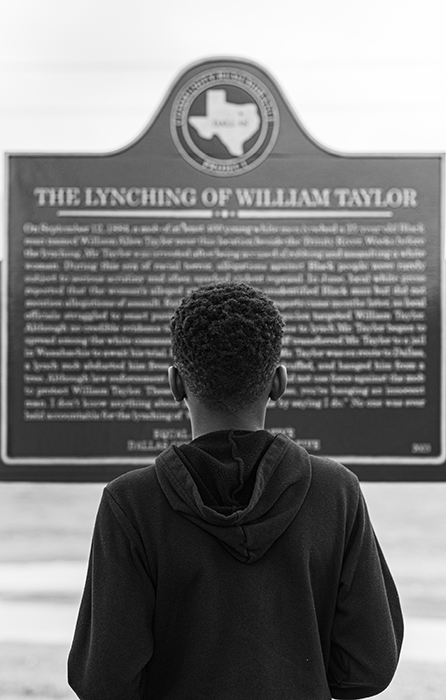
Dr. Teresa Jackson
To What End?, 2023
Black and white; printed on archival paper. framed in a black mental frame, under anti-glare plexiglas. Photograph
24 x 36”
Photo credit: Dr. Teresa L.Jackson
2 ⁄ 18
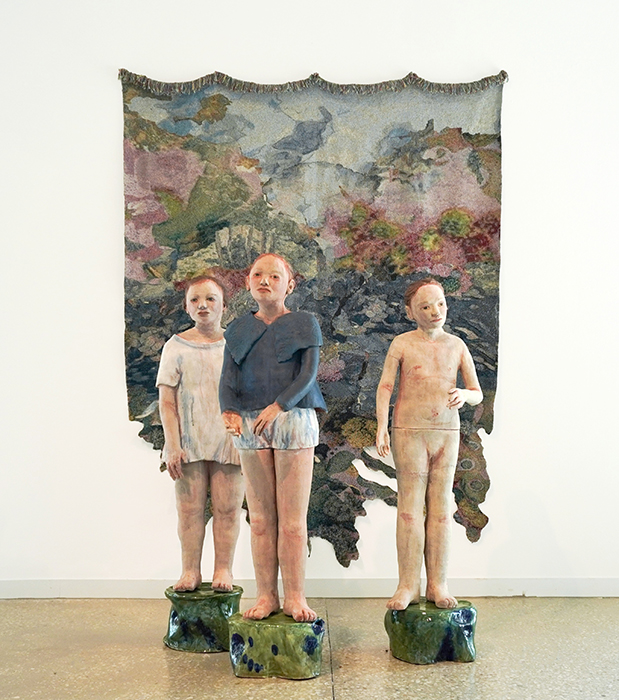
Rachelle LeBlanc
Three Graces, 2025
ceramic and cotton
82x62x40”
Credit: Glassell School of Art
3 ⁄18
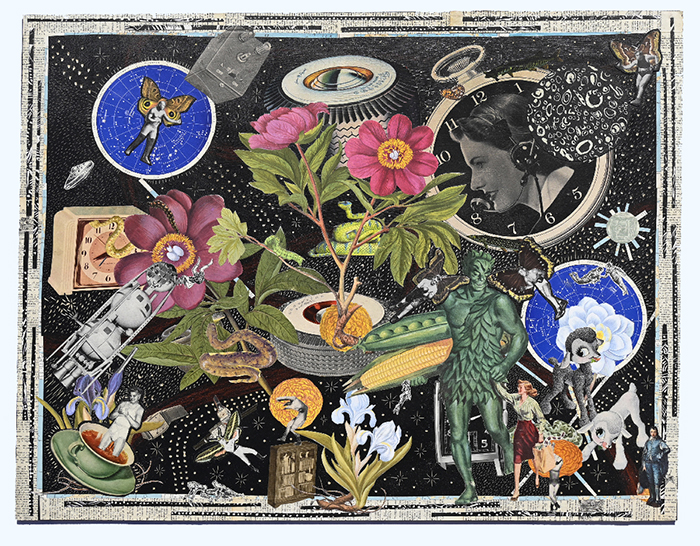
Kelly Moran
Extraterrestrial, 2025
Collage on Wood, gesso, colored pencil, Linocut, carved wood
24inx30in
photo by Kelly Moran
4 ⁄18
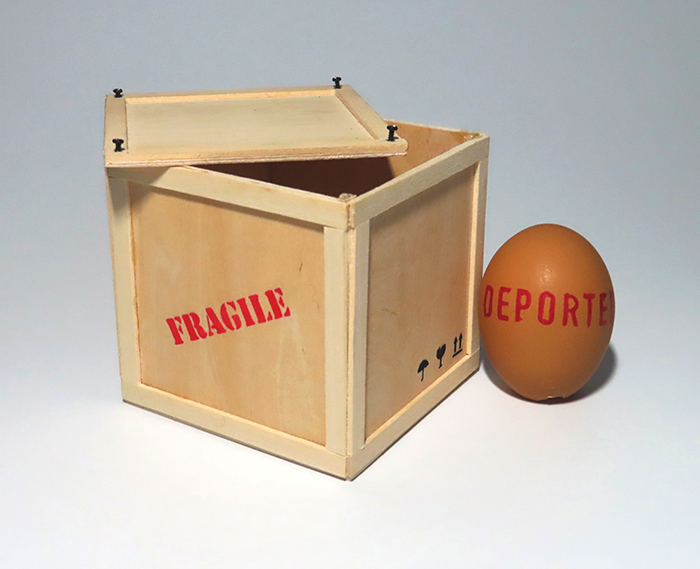
Verónica Ibargüengoitia
Fragile Shipment, 2025
Wood, Foam, Eggshell, Paint
3 x 3 x 3 “
Photo credit: Veronica Ibargüengoitia
5 ⁄18
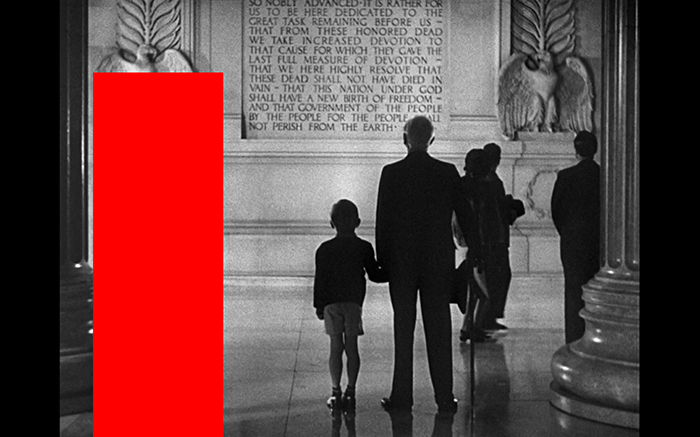
Casey Leone
███ Goes to Washington, 2017
Archival Inkjet Print
24 x 36 inches
Image courtesy of the artist, Casey Leone
6 ⁄18
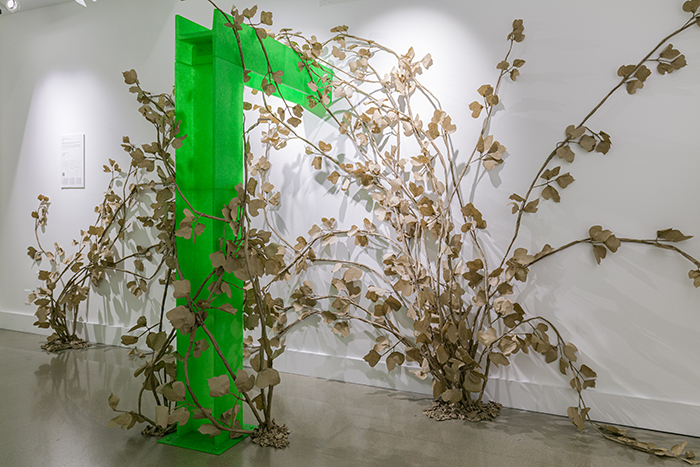
Agnes Ma
Everything and Nothing, 2024
PLA (bioplastic) and laser-cut paper kudzu
9’ x 18’ x 5’
Photo Credit: Photo by Wes Magyer
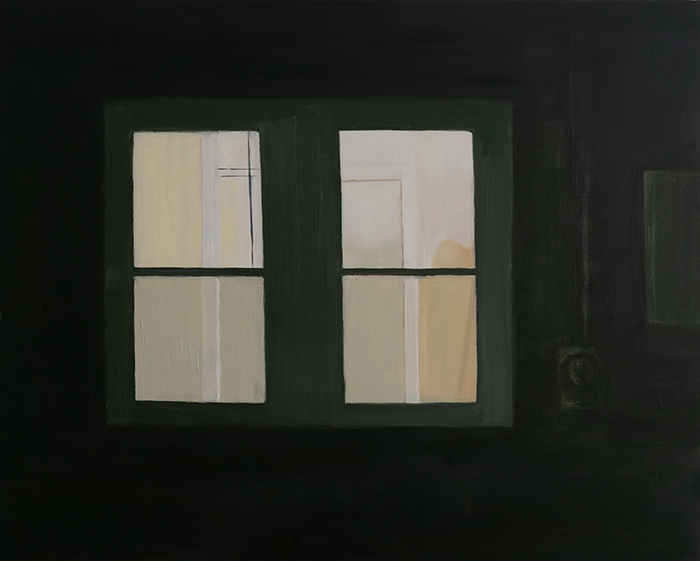
7 ⁄18
Susan Seaborn
Peter's Hat, 2025
Oil on wood panel
18 x 24”
Photo credit: Tesa Morin
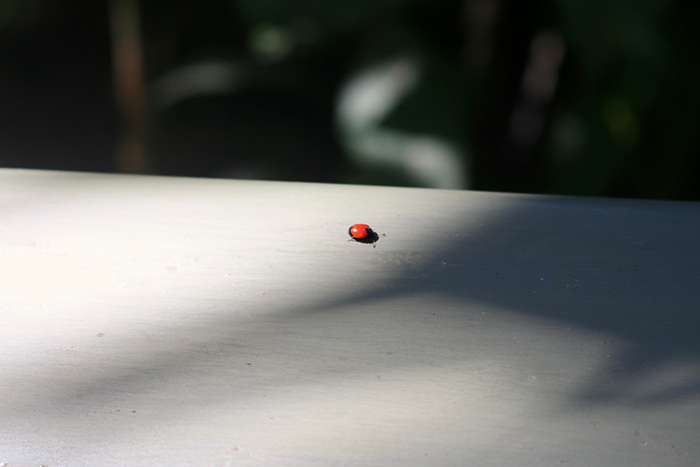
8 ⁄18
Debra Witter
Ladybug On My Kitchen Window Sill, 2025
Archival pigment print
13" x 19" (unframed); 13.25" x 19.25" x .75" (framed).
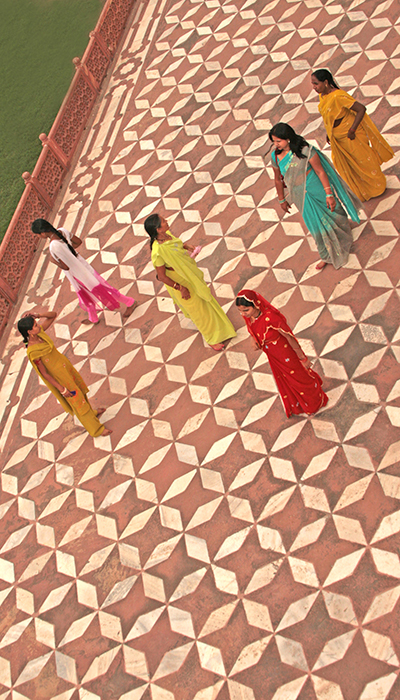
9 ⁄18
Ximena Peryea
Taj Women, 2019
Photography
15" x 15" x 1"
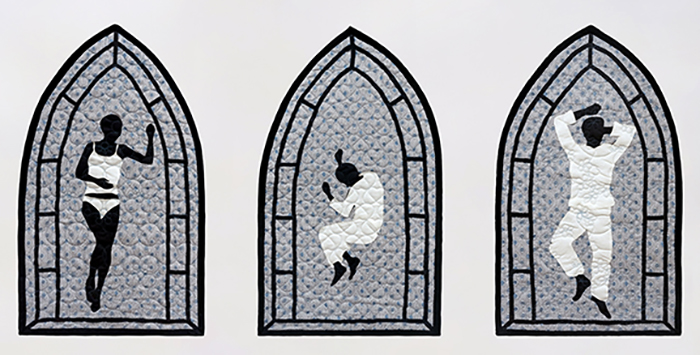
10 ⁄18
Felicia Jordan
Trinity (Ties That Bind), 2025
Recycled Hospital Gowns
40" x 80" x .25"
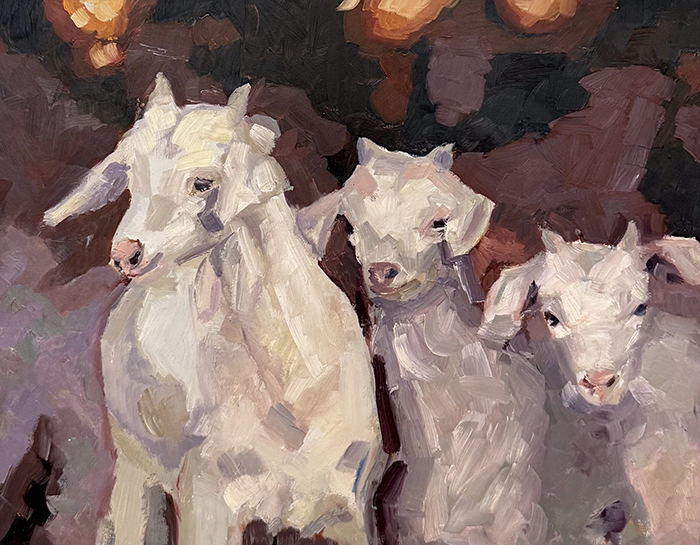
11 ⁄18
Inquisitive Trio, 2021
oil on panel
17.5" x 21.5"
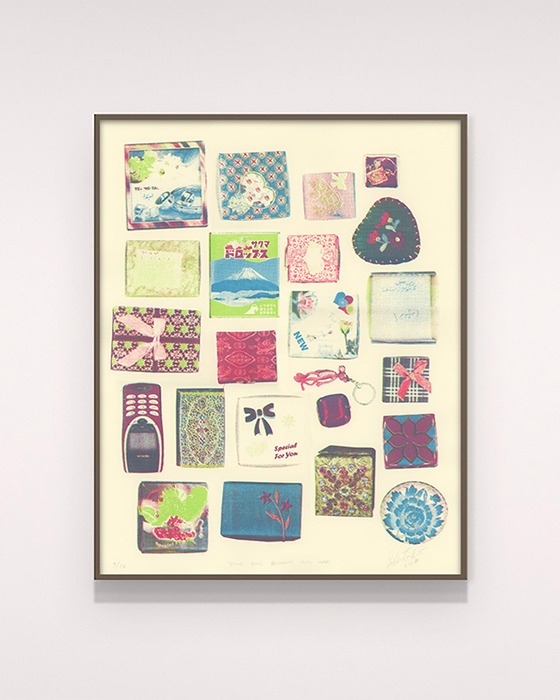
12 ⁄18
Your Amé Brought This Over, 2022
7 color screenprint
20" x 16"
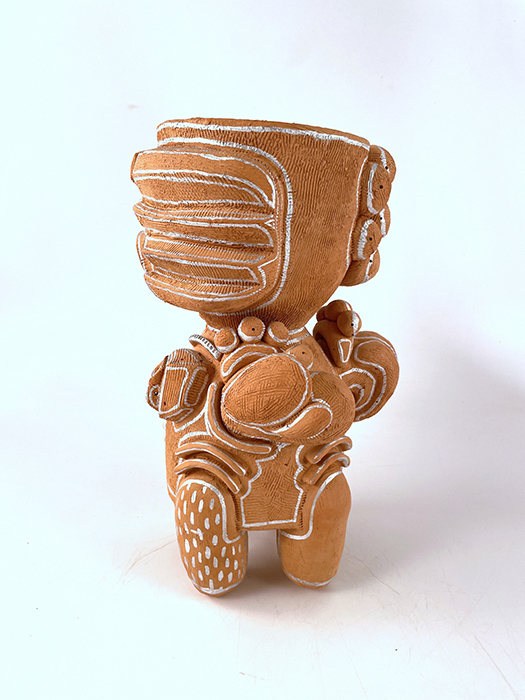
13 ⁄18
Guardian, 2023
Terracotta clay and chrome paint
18" x 9" x 11"
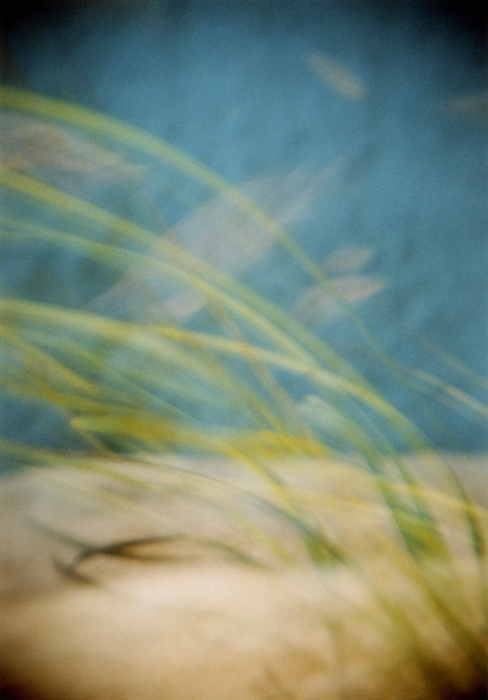
14 ⁄18
Elemental Studies 4, 2025
Darkroom chromogenic print
21" x 17"
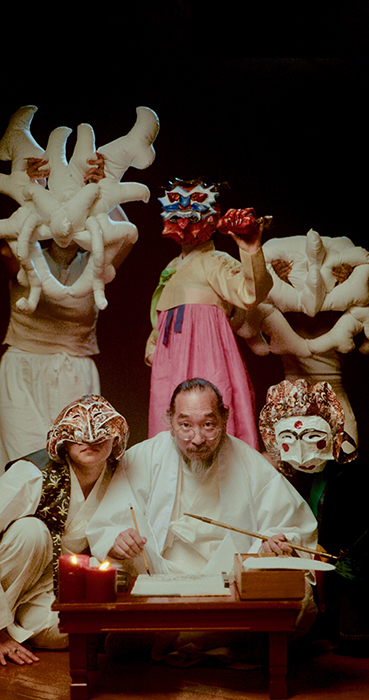
15 ⁄18
The Traveler, 2025
Video Art, Director’s Edition, 1/50, 5:27
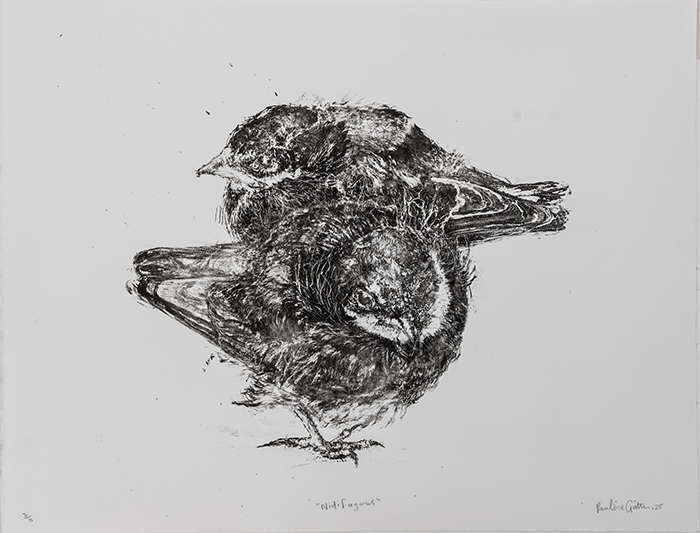
16 ⁄18
Migratory, 2024
One color stone lithograph
20 x 28”
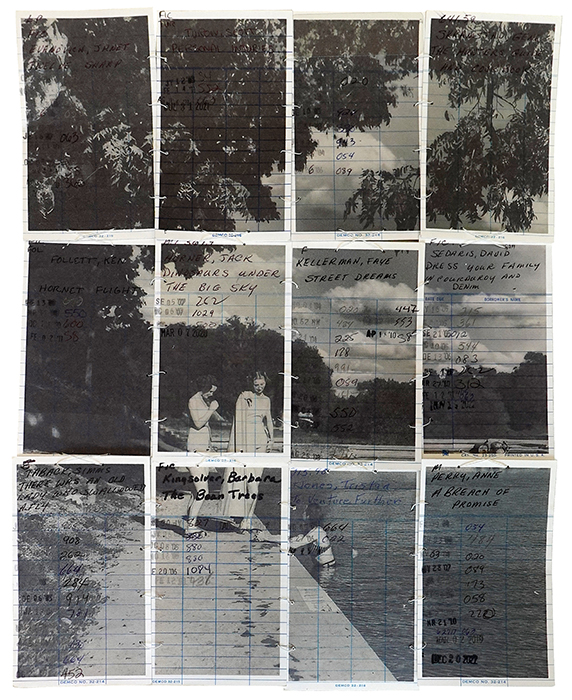
17 ⁄18
Barton Springs in Zilker Park. Austin, TX (Polly Smith/DHS), 2026
Mixed Media (Ink jet prints on hand-stitched found Library Cards)
15" x 12" x .5"
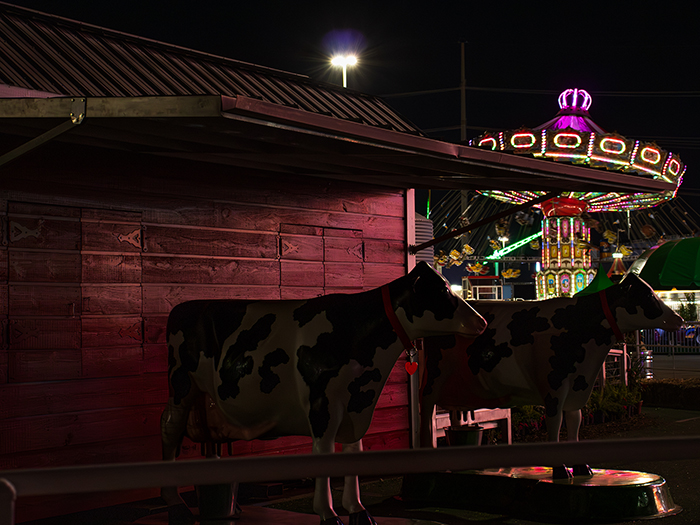
18 ⁄18
Archival pigment print on aluminum,
20 × 30”. Photo by Peri Sutherland.
Another way that Vignette Art Fair draws back the dusty curtain of convention is through its financial model. The Fair is organized by the nonprofit Texas Vignette, so what about income from art sales? Ingle tells me that each artist who attracts a buyer for their work during the Fair keeps 100% of the proceeds, adding, “To our knowledge, there is no other art fair in the world that operates with this model. It reflects our commitment to removing barriers for artists and ensuring they benefit as directly as possible from their work and its success.”
Looking ahead, Ingle and her team are eager to cultivate meaningful collaborations with art spaces and institutions throughout Texas. One of their primary goals is to transition from an all-volunteer board to a professional staff, a capacity-building effort that will allow them to grow sustainably, better serve their artists and audiences, and create meaningful opportunities for artists year-round. Other goals include identifying and removing Fair participation barriers, helping to address broader inequities within the state’s arts ecosystem, and inspiring similar initiatives in other regions.
“Imagine women-centered fairs that champion local artists and strengthen their own creative communities across the country,” adds Ingle. No guerilla tactics needed.
—NANCY ZASTUDIL