

Reminiscing with Austin’s theater collective, The Rude Mechs, as they celebrate their 30th anniversary of making theater together feels a bit like talking to a 90s alternative rock band that’s somehow still together. When I caught up with Thomas Graves, Lana Lesley, Kirk Lynn, Alexandra Bassiakou Shaw, and Shawn Sides, five of the six active co-producing artistic directors—with only Madge Darlington missing—there was a lot of good natured interrupting and correcting of memories, especially when recalling which of their conceived shows they performed over the years in which off Broadway theater or international festival.

Over three decades, a who’s who of Texas and especially Austin performing artists have worked and collaborated with the Mechs, but to be considered a Rude Original, at least one of the co-producing artistic directors has to be involved with the piece’s creation or execution.
They’ve done so many solo or duo projects, as well as creative work not considered Rude-related the last few years, that it’s a rarity to get five together for an interview. Luckily, they had just finished rehearsal for a new project set to workshop in November. The play, with the placeholder title Our Our Town, has all six Mechs involved in its creation.
“The idea was to do something as faithfully as we could and then to do our version of it,” explains Kirk Lynn.
They don’t usually have a “singular approach to making new work,” says Lana Lesley. “It tends to start off just with us in the room together finding out what we’re interested in. Somebody has an idea. Then, we start looking at source material, and that starts to pile up. Kirk will start writing. Other people will start thinking about hopes, dreams and wishes, and we mash all of that together in a very fractious way until we get to a thing that we want to show to the public.”
From there they might have workshop productions, usually in front of Austin audiences. Sometimes for creative or financial reasons that piece ends there, but in other instances, especially if they can earn a grant or a commission, the process continues as they do more workshops, then a full production, and perhaps even tour.
Lesley calls this process “a slow cooking version of theater” to take as long as they need to make a theatrical meal. Later in our conversation, Graves describes the Rude way of theater making as a “stare into the void” together to create a new collective piece.
By beginning this most recent “slow cook” with that faithful production of Our Town, they intend to bring the audience into the creative process in a slightly different way.
Graves describes the intent of this project as “Do it. Rude it, with the idea that we’re about to experience the work in a very intimate way. We start to tear it apart and put it back together, or be inspired by it, then our audience might also become familiar with our source material and catch things and have an intimate knowledge.”
Along with this all-eyes-into-the-void, Our Town inspired work, this 30th season offers a flurry of other pieces that they’ve created in solo, duos, and with multiple collaborators.
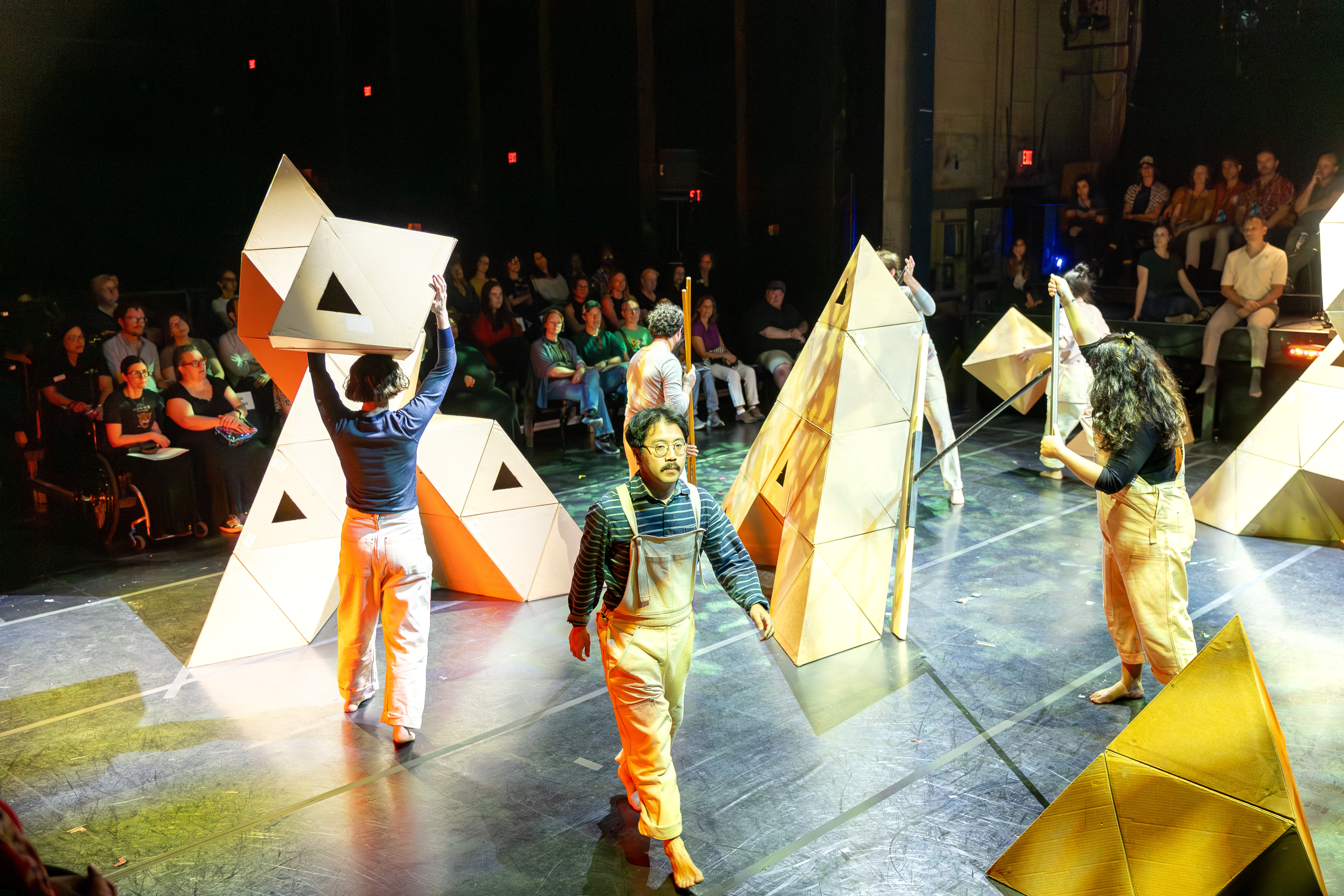
1 ⁄6
Rude Mechs in Not Every Mountain at Fusebox 2026. Photo by Robert Silver.
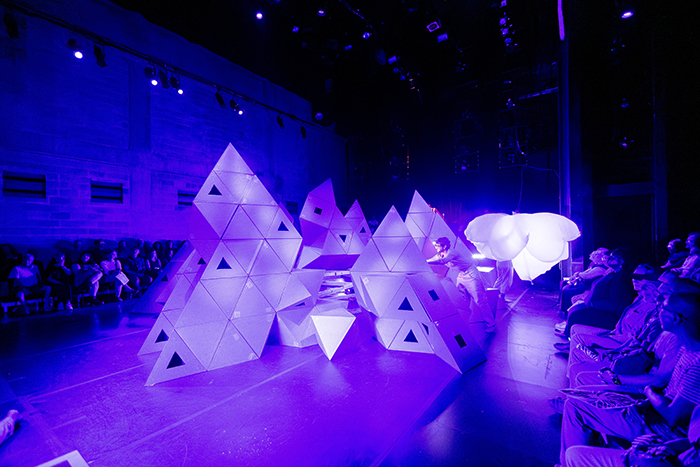
2 ⁄6
Rude Mechs in Not Every Mountain at Fusebox 2026. Photo by Robert Silver.
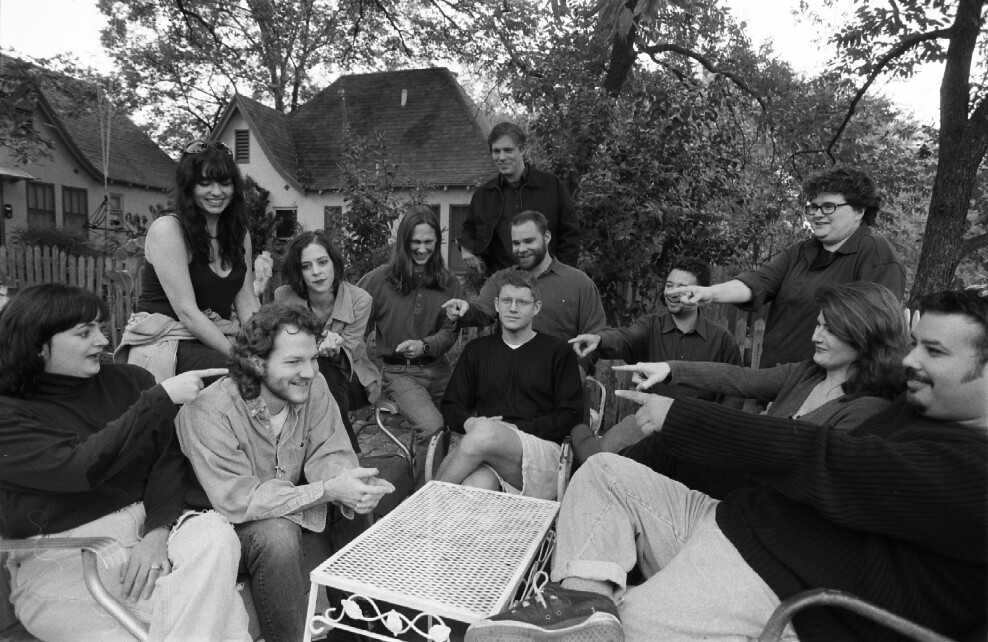
3 ⁄6
Rude Mechs Company Members in 2000. Tammy Monohan, Kirk Lynn, Shawn Sides, Lana Lesley, Greg Janacek, Robert Pierson, Michael Mergen, Jon Watson, Dave Reed, Madge Darlington, Sarah Richardson and Jose Hernandez. Photographer Bret Brookshire.
4 ⁄6
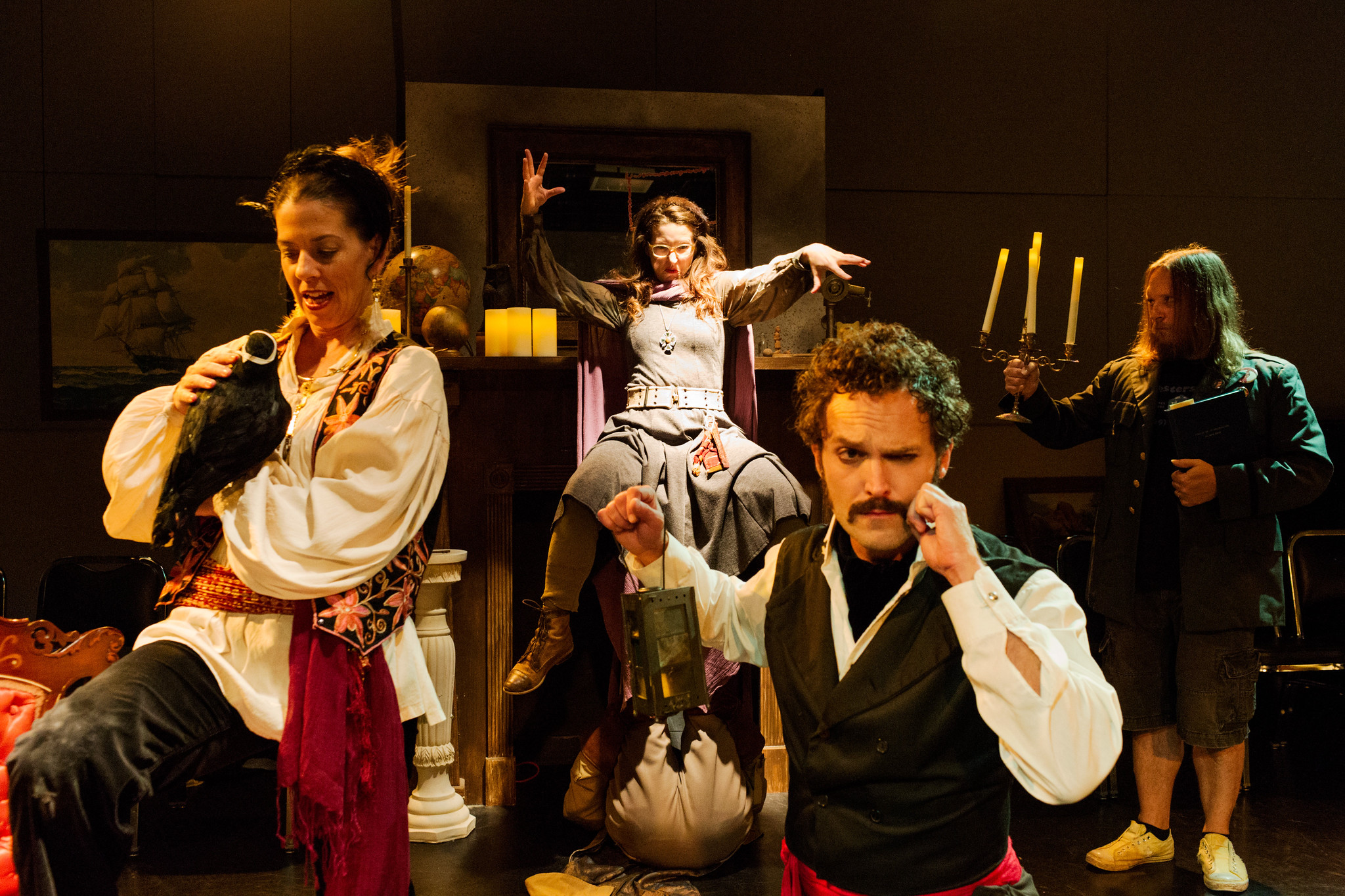
Lana Lesley, Hannah Kenah, E. Jason Liebrecht, and Robert S. Fisher in the Rude Mechs production of Now Now Oh Now. Photo by Jeremy M. Lange Photography.
5 ⁄6
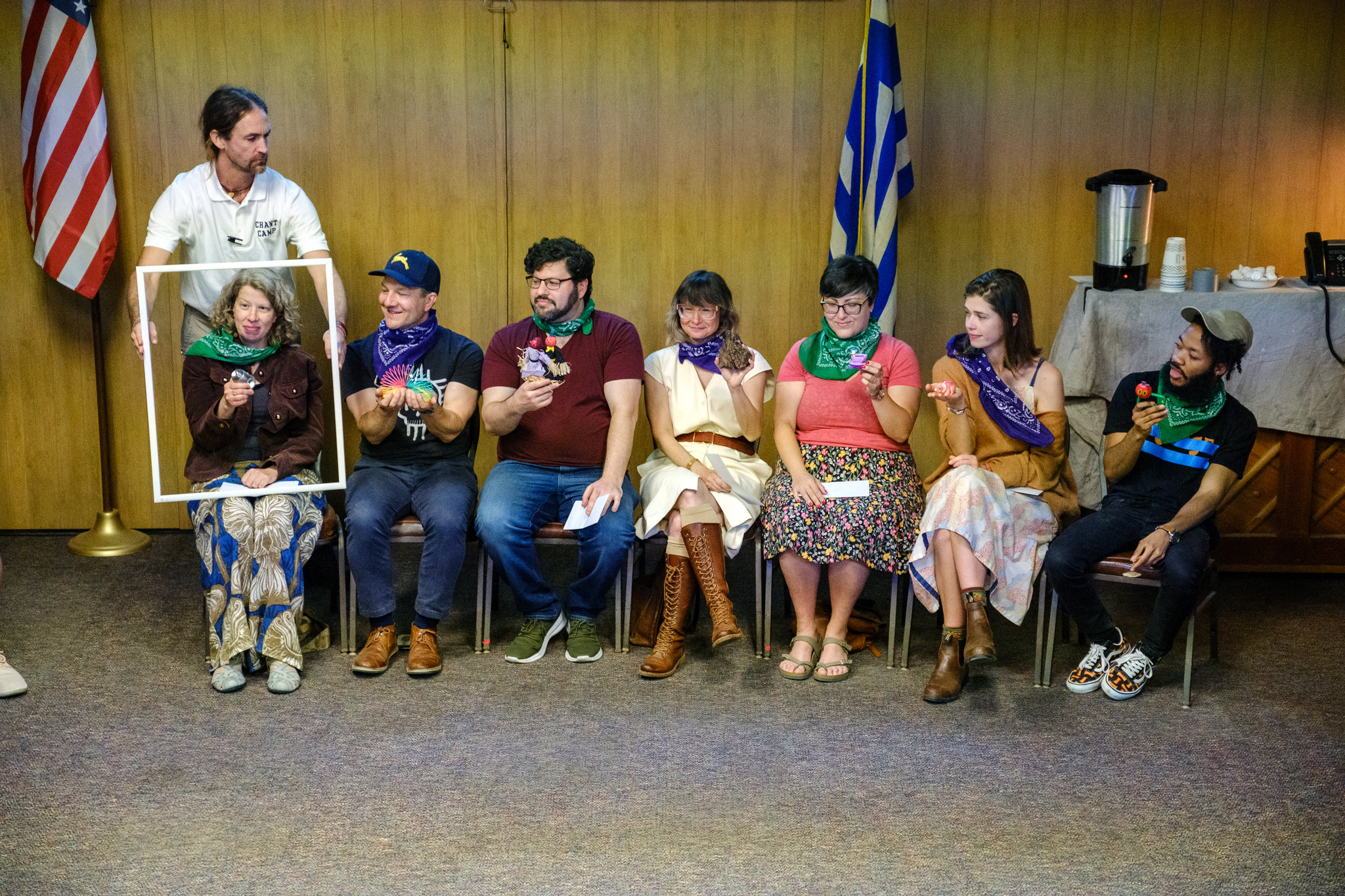
Rude Mechs, Contranyms 2023 at Crashbox. Photo by Bret Brookshire.
6 ⁄6
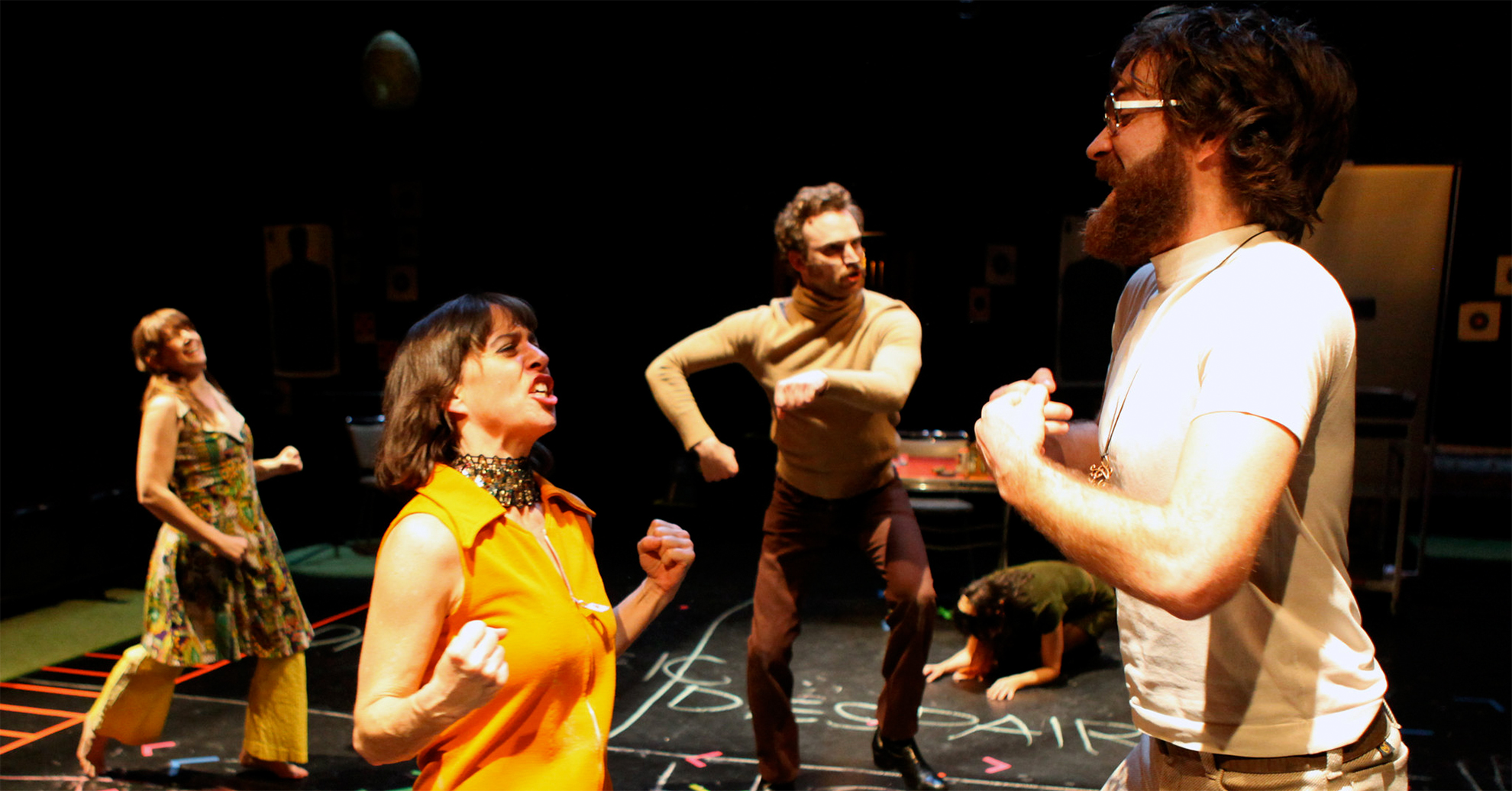
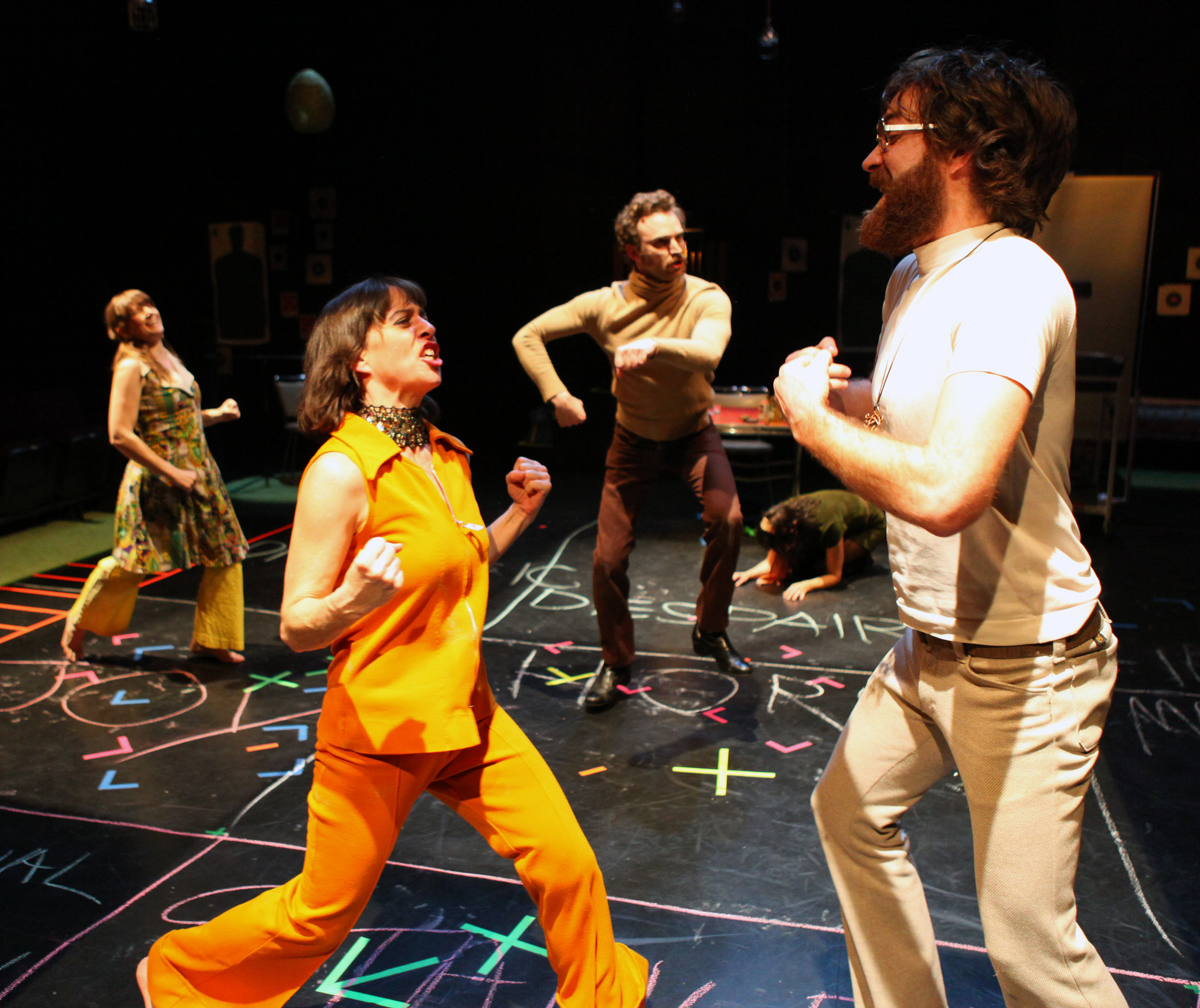
Hannah Kenah, Lana Lesley, Jason Liebrecht, Shawn Sides, and Thomas Graves in the Rude Mechs production of The Method Gun, Humana Festival of New American Plays, 2010, Actors Theatre of Louisville. Photo by Alan Simons.
Last April, they brought back Not Every Mountain for a joint Texas Performing Arts and Fusebox Festival performance. A poetic and live set building meditation on time, change, and impermanence, the Mechs originally debuted Mountain in 2019, but the pandemic cut its theatrical life short.
“It didn’t get a fair shot at the world, and so we wanted to give it another chance,” explains Graves, adding “we polished it a little bit. We changed the beginning a lot. We changed the ending a little.” They’re exploring opportunities to tour the show.
The Mechs also have world premieres, workshop productions, and Mechs-directed plays scheduled for their 30th season, including the world premiere of Kirk Lynn’s one-man play about the Wright Brothers I Am Brothers, for which he received a Celebrating America250 NEA grant, as well as workshops for Madge Darlington and Whitney Mosery’s new interactive work, Drill and Lesley’s new play Six Cuts.
Whether getting older, the pandemic, the loss of their permanent space, the Off Center, a few years before the pandemic, or a combination is the cause, the Mechs acknowledged that in recent years they’ve had a lull in the collective’s output when it comes to co-created larger works. They do admit the Off Center’s closing became the first big blow.
“I think it also drove me and maybe all of us to make more solo work,” describes Lynn, explaining that the loss of the space inspired him to ask the question: “If we don’t have a theater, can you make it an entire touring show that fits in a duffle bag?” which led to his interactive piece Cold Record.
Graves points to Not Every Mountain as another example. “The whole idea of the set packing up and being made out of cardboard breaking down onto two pallets, that was born out of the idea of losing our home and also the theme of loss and time scale.”
Their Art Tramp, which merged performance art and overnight camping, certainly is another example of making space for theater everywhere. Also set for this season, Graves’s solo show Farewell Tour chronicles his time during the pandemic when he built a wooden boat and took to the water for months with only his dog as shipmate.
Another factor that influenced the work was their move into a new space in 2019, shortly before the pandemic. Calling it Crash Box, they took over a bay in a large East Austin studio complex, with the idea that it would be a place to crash until they could find a permanent theater. The name stuck, though they’re still leasing there seven years later; they expanded into a second bay, and built a black box theater, dressing room, and rehearsal space. Over the years they’ve invited other Austin artists to create and perform there.
While the Mechs still have their hopes for a permanent space they own, allowing other artists to crash in the box has fueled their creativity. “We’re bumping into each other, sharing ideas, collaborating. It feels really fruitful,” describes Shaw.
All our talk of space and 30 years of trying to create theater in the Texas city that has probably changed the most over those decades, led us back to the Our Our Town rehearsal. While they wouldn’t reveal too much about that theatrical village they were building together, Shaw says they’re definitely reflecting on change and home. “We’re thinking about the 90s and today, the past and the future and memory.”
—TARRA GAINES