

When the English National Ballet first commissioned international superstar choreographer Annabelle Lopez Ochoa to create the ballet that would become Broken Wings, the original concept was to create a dance about “a woman from literature or history that was damned and doomed.” They offered several fictional suggestions, but Ochoa had someone very different in mind, a real woman who has become almost mythic by force of her own art and life.

The British weren’t the only ones to love it, and over the last decade, Broken Wings has been produced many times across the world. Now in the midst of renewed Fridamania ignited by the Museum of Fine Arts, Houston’s monumental exhibition, Frida: The Making of an Icon, the Houston Ballet joins the Kahlo celebration, producing Broken Wings as part of their Spring mixed rep offering, March 12-22, in an evening that also includes a world premiere by Stanton Welch and Jiří Kylián’s Petite Mort.
“I think we all have seen her work,” says Ochoa of Kahlo, but admits she didn’t really take a deeper look at the artist’s life until after seeing the biography film starring Salma Hayek. “And I thought, what a woman.”
To prepare for creating the ballet, Ochoa dove into the biographies and documentaries on Kahlo, as well as her diaries and letters. This process was not unusual for Ochoa. “When I do narrative, I think the longest period of work goes into the research.”
1 ⁄7
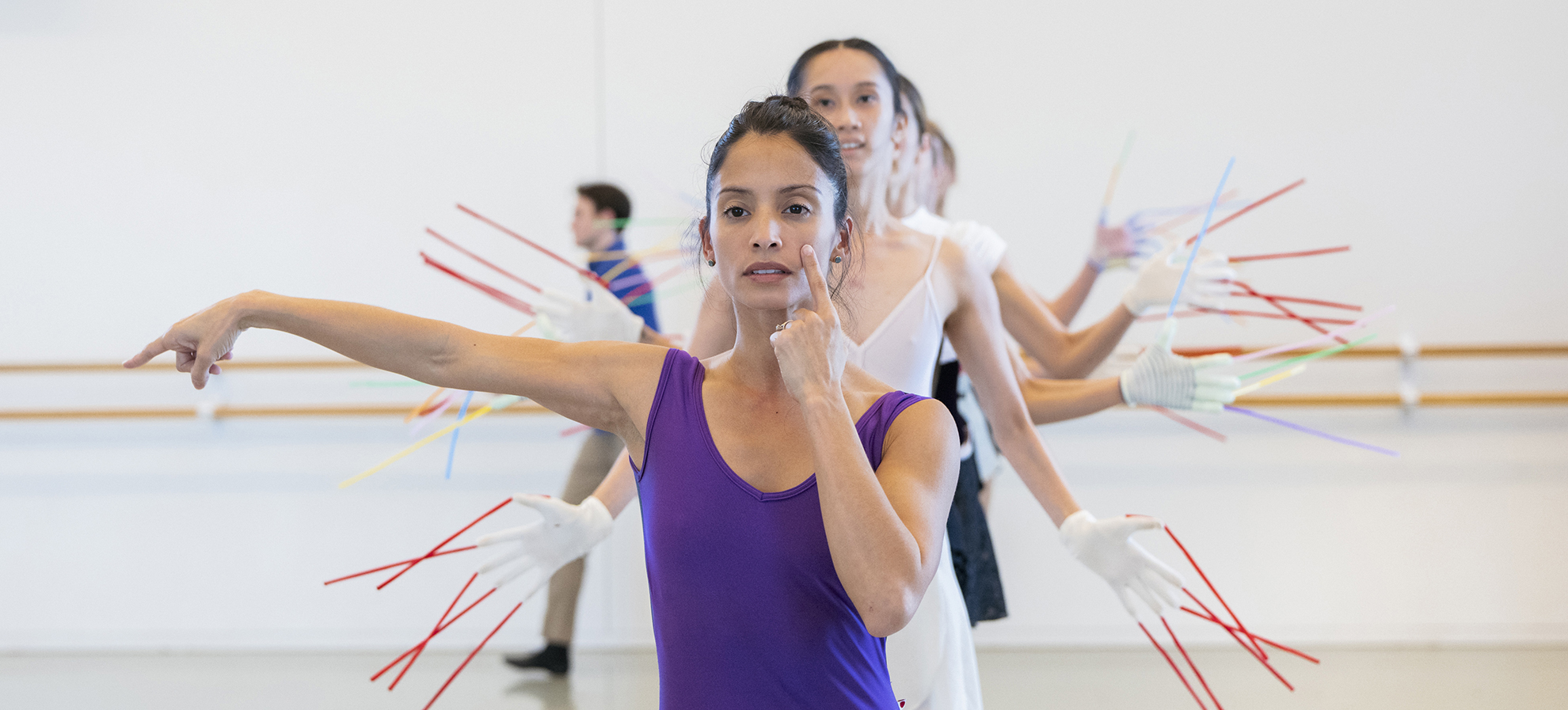
Houston Ballet Principal Karina González as Frida Kahlo with Artists of Houston Ballet rehearsing Annabelle Lopez Ochoa’s Broken Wings. Photo by Alana Campbell (2026). Courtesy of Houston Ballet.
2 ⁄7
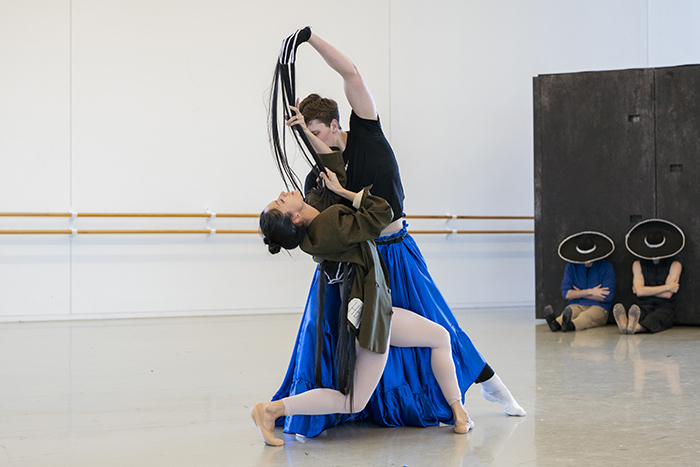
Houston Ballet Principal Karina González as Frida Kahlo and Corps de Ballet dancer Griffin Koehl rehearsing Annabelle Lopez Ochoa’s Broken Wings. Photo by Alana Campbell (2026). Courtesy of Houston Ballet.
3 ⁄7
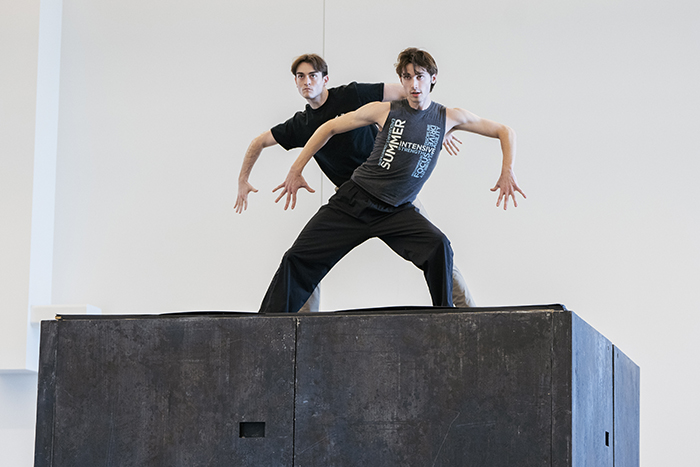
Houston Ballet Corps de Ballet dancers Riley McMurray and Ryan Williams rehearsing Annabelle Lopez Ochoa’s Broken Wings. Photo by Alana Campbell (2026). Courtesy of Houston Ballet.
4 ⁄7
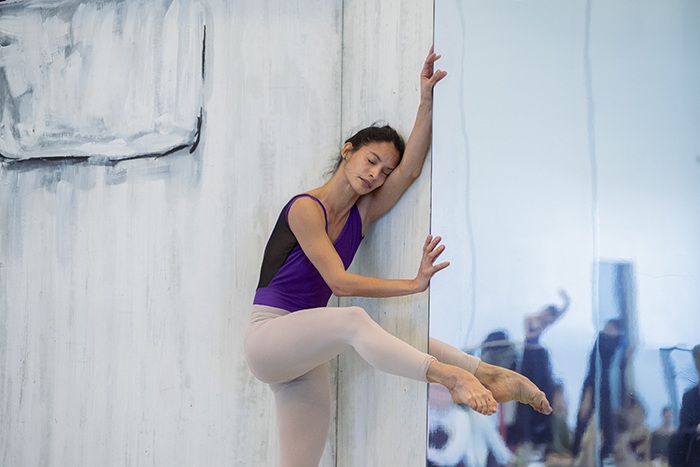
Houston Ballet Principal Karina González as Frida Kahlo rehearsing Annabelle Lopez Ochoa’s Broken Wings. Photo by Alana Campbell (2026). Courtesy of Houston Ballet.
5 ⁄7
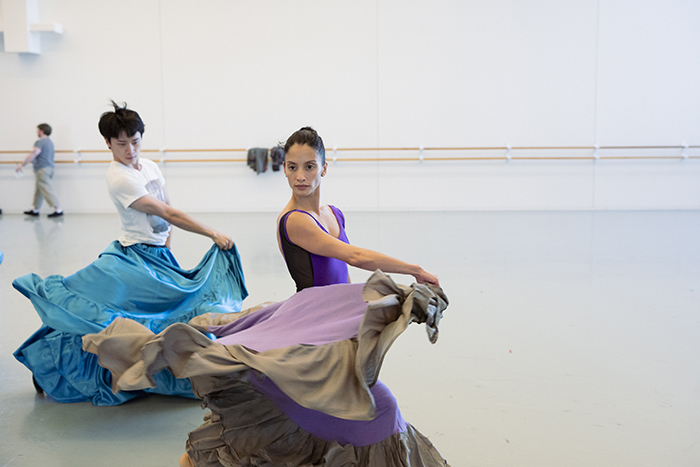
Houston Ballet Principal Karina González as Frida Kahlo and Corps de Ballet dancer Kaito Matsuoka rehearsing Annabelle Lopez Ochoa’s Broken Wings. Photo by Alana Campbell (2026). Courtesy of Houston Ballet.
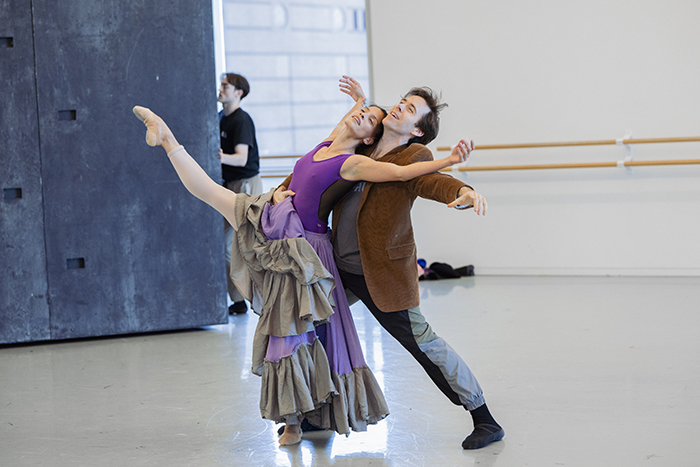
6/7
Houston Ballet Principals Karina González as Frida Kahlo and Connor Walsh as Diego Rivera with Corps de Ballet dancer Riley McMurray rehearsing Annabelle Lopez Ochoa’s Broken Wings. Photo by Alana Campbell (2026). Courtesy of Houston Ballet.
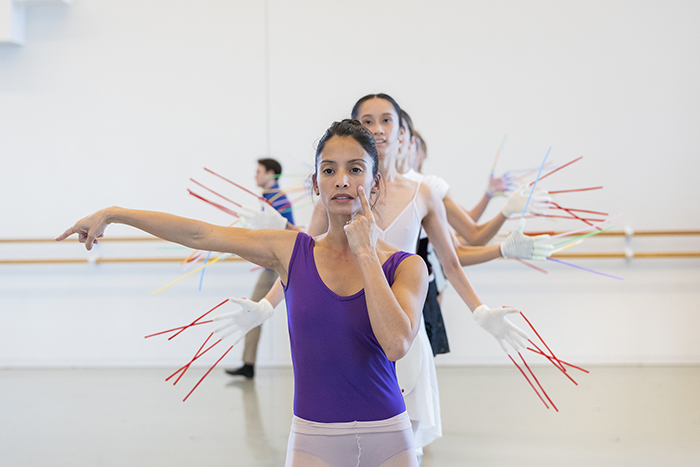
7 ⁄7
Houston Ballet Principal Karina González as Frida Kahlo with Artists of Houston Ballet rehearsing Annabelle Lopez Ochoa’s Broken Wings. Photo by Alana Campbell (2026). Courtesy of Houston Ballet.
Yet she also emphasizes that the dance is not a biography but her own portrait of Kahlo, structured somewhat around Kahlo’s own many self-portraits.
“It was pretty easy to tell her story through her paintings because she said: ‘I’m not a surrealist. I paint my reality. I paint my life.’ And I thought, what if I reversed that process and brought her paintings to life? Then I’d get part of a portrait of who the woman was and what happened to her and what was in her mind and emotions.”
One of the early questions was how to create a dance about a woman who, after being in a bus accident at 18, was bed ridden, in pain, and had limited mobility for much of her life.
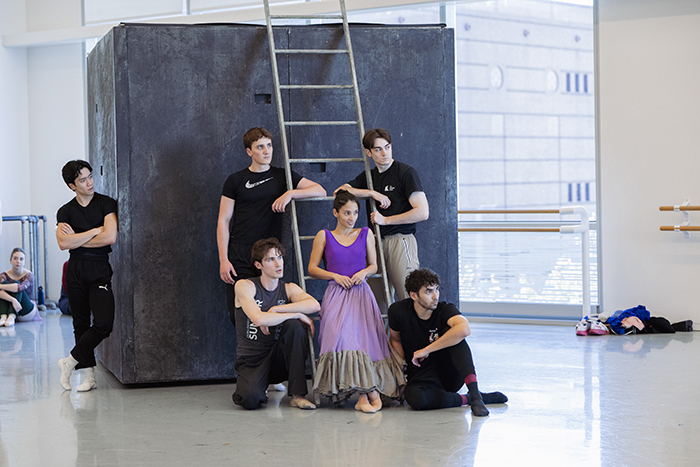
“Suddenly, I saw the image of a standing bed. A cube and doors would open and the audience would be like a camera on top of the bed. The dancers would never have to lie down. She is stuck in bed, but she’s still on her feet,” describes Ochoa of her first ideas for the ballet, which also reflects her creative philosophy. “I always feel that when we have a problem as an artist and have to dig in for a solution, that’s when we become creative. When it’s easy, just recreating reality or life, that’s not interesting.”
While the ballet does depict some major events in Kahlo’s life, including romantic relationships and her complex marriage with the older Diego Rivera, much of the dance—like much of Kahlo’s paintings—portrays her life in symbolism.
“The deer is her alter ego and always appears in the ballet when she feels lonely. The symbol of the bird appears when she wants to be free of her body,” describes Ochoa.
Skeletons also help narrate the story through dance. They represent both the iconology of the Day of the Dead, and Kahlo’s own many dances with mortality.
Likely one of the most arresting sections of the dance is the living depiction of Kahlo’s portraits by male dancers. Ochoa notes that the actual, physical size of many of her self-portraits are small, but in our minds, they seem much larger, while on a monetary and cultural scale the paintings have become giants.
“She was playing with her gender, and her identity. Like I say to the men in rehearsal: You’re not drag queens. You carry the weight and the fluidity of being dressed as Frida, but being also male dancers, so playing with all these elements.”
And what does it take for a ballerina to play the main Frida, the one living, dying, painting, and creating all these different versions of herself?

Working with ballerinas on the role, Ochoa says that their discovery of Frida is not an immediate process. “The journey is always beautiful and it’s very gratifying for these women once they start performing it. What I always hear back is that they are amazed by this woman, Frida Kahlo, and they feel the responsibility of telling her story, somebody who existed, and somebody who means so much to many people.”
—TARRA GAINES