
With the world premiere of a locally nurtured opera, the debut of a new performance center, and a season that weaves together tradition and contemporary storytelling, Austin Opera is redefining what it means to be a cultural force in Texas.

For Annie Burridge, Austin Opera’s general director & CEO, Ofrenda represents the culmination of years of intentional partnership with Austin’s Latine community. “It began with a friendship — our relationship with the Mexican Consulate in Austin,” Burridge says. “From there, we launched programs celebrating Latine music and culture, appointed the first-ever Curator for Latine Programming at any U.S. opera company, and received a transformative $3 million endowment gift for Spanish-language programming. Ofrenda is the first fruit of that residency, and it’s proof that when you invest in community relationships with patience and authenticity, extraordinary art follows.”
The opera’s development through the Residency for Latinx Creatives has allowed for an extended incubation process, shaping the final work through workshops in both New York and Austin. “The more time and resources dedicated to a new work, the more likely it is to have a life beyond the premiere,” Burridge notes. “Bringing audiences along on the journey creates a sense of ownership and investment that is incredibly powerful.”

1 ⁄6
Stephanie Sanchez, soprano for Ofrenda. Photo courtesy of the artist.

2 ⁄6
Jorge Sosa, composer of Ofrenda. Photo by Manon Haliburton.
3 ⁄6
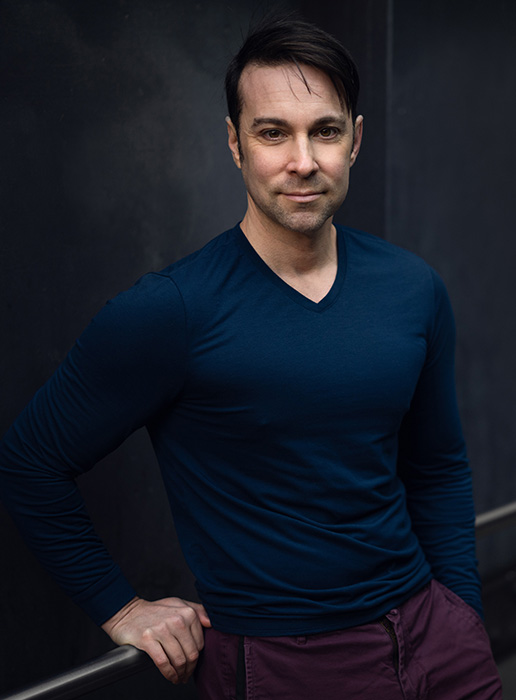
John de los Santos, librettist for Ofrenda. Photo by Daniel Welch.
4 ⁄6
Thais at the 2025 Spoleto Festival Photo by Cole Carrico.
5 ⁄6
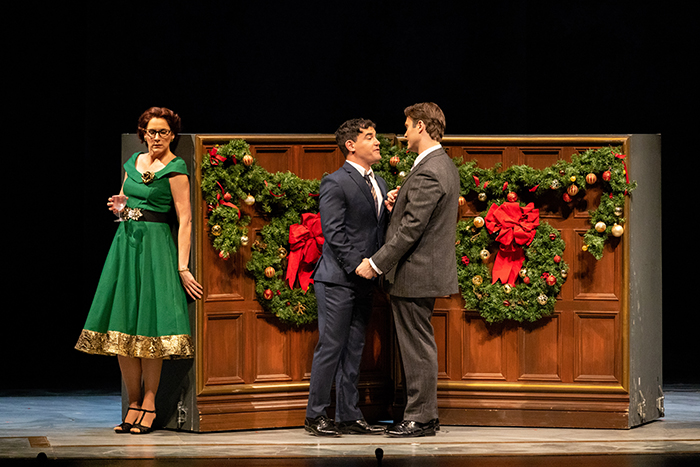
A Scene from Fellow Travelers. Photo by Dave Pearson.
6 ⁄6
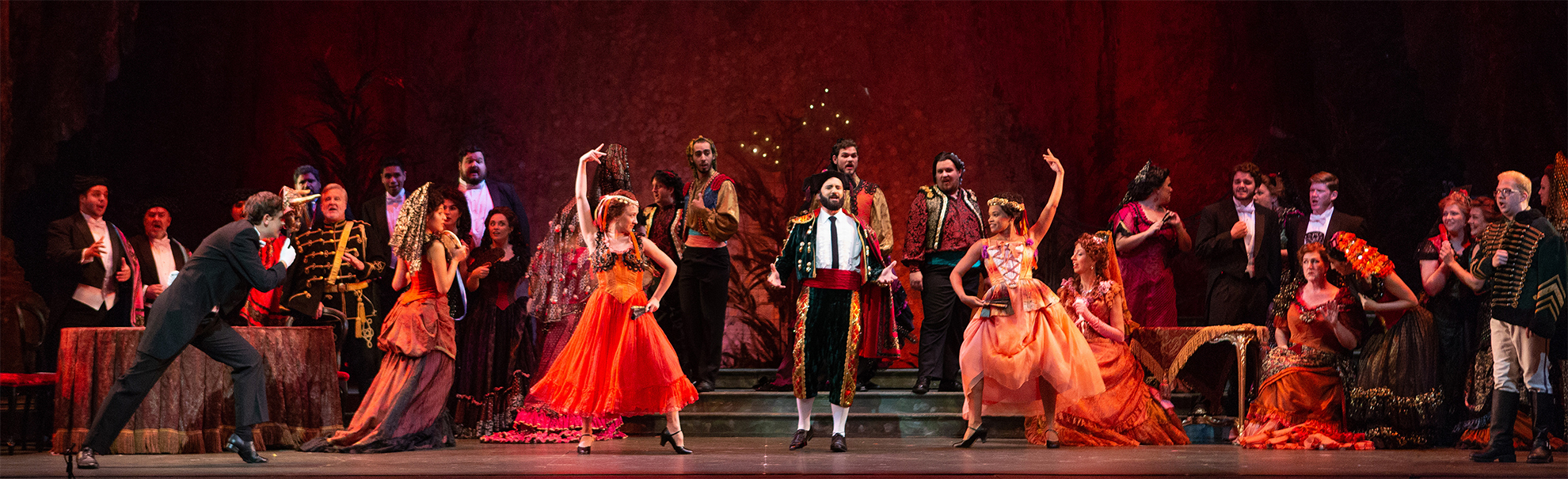
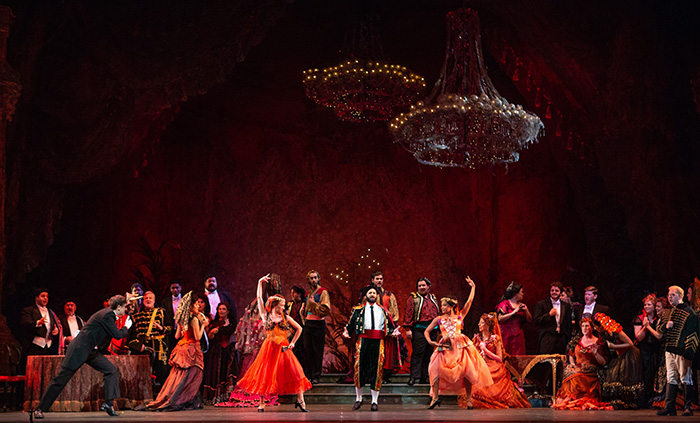
The cast of the Opera San Antonio production of La Traviata. Photo by Marty Sohl.
Ofrenda also has the honor of opening the company’s new Sarah & Ernest Butler Performance Center. Burridge describes the venue as a dynamic cultural hub for the city’s southeast community, offering an intimate setting for performances, rehearsals, and creative development. “This space allows us to engage Austinites every day, not just a few nights per year,” she says. “It also addresses the urgent need for rehearsal and performance space felt by our entire arts community.”
The center’s flexible configuration and location make it ideal for reaching diverse audiences, reinforcing Austin Opera’s commitment to accessibility and inclusion. “Austin’s ‘come-as-you-are’ spirit lives authentically at the opera,” Burridge says. “We’ve worked hard to ensure that our programming reflects the full range of our community, from bilingual communications to stories that resonate across cultures.”
The season continues with three additional productions at the Long Center for the Performing Arts, each offering a unique take on love, identity, and societal issues.
In November, Austin Opera presents Jules Massenet’s Thaïs, a tale of sensuality and spirituality that first premiered at the Paris Opera in 1894, and here stars soprano Nicole Heaston in the title role. The opera centers on a Christian monk’s obsession with a seductive Egyptian courtesan and priestess of Venus, as their worlds collide in a tale of redemption and desire. Burridge highlights the production’s focus on multidimensional female characters, calling it “a stunning vehicle for Nicole, who is one of the most compelling sopranos working today.”
Feb. 6-7 brings the Texas premiere of Fellow Travelers, a critically acclaimed opera by Gregory Spears and Greg Pierce that explores a gay love story set during the Lavender Scare, a McCarthy-era witch hunt that ousted thousands of gay and lesbian employees from the federal government. It’s based on Thomas Mallon’s best-selling 2007 novel (which also produced a television miniseries starring Jonathan Bailey and Matt Bomer) and is one of the most widely produced operas of the past fifty years. Burridge sees the production as part of Austin Opera’s commitment to using opera as a lens for social and political commentary. “Opera has always been a vehicle for examining the human condition,” she says. “Stories like Fellow Travelers allow audiences to come together through shared experiences, rather than being pushed apart by divisive narratives.”

Burridge sees the 2026-27 season as a reflection of Austin’s cultural vibrancy. “In a city fueled by technological innovation, the opportunity to come together and live in the moment with other human beings feels almost sacred,” she says. “Opera revels in human virtuosity and achievement, offering unparalleled opportunities to restore and build community.”
From the world premiere of Ofrenda to the timeless romance of La traviata, the season is a testament to Austin Opera’s ability to balance innovation with tradition. “We do everything we can to offer both in a season,” Burridge says. “The Butler Performance Center will allow us to add more programming to the mix, which will no doubt be helpful in this endeavor.”
As Austin Opera embarks on its new season, Burridge is optimistic about the future. “We have never needed live music more,” she reflects. “This season is about celebrating the power of opera to honor heritage, inspire empathy, and bring people together across cultures. It’s a season for everyone, longtime fans and newcomers alike.”
—LINDSEY WILSON