

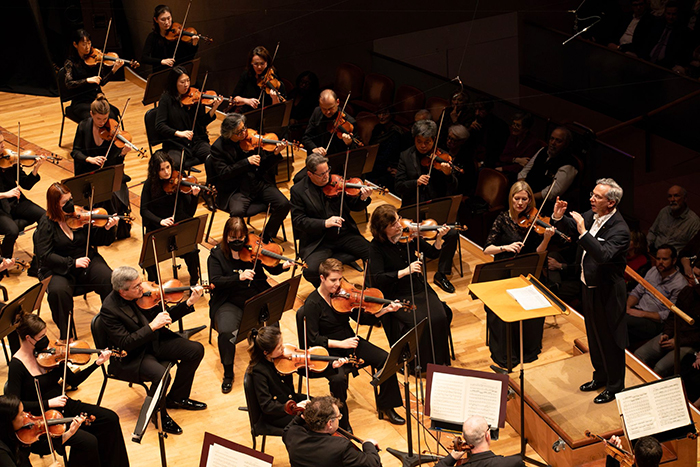
Fabio Luisi has experience galore at conducting the most demanding operas and orchestral works there are—iincluding Richard Wagner’s The Ring of the Nibelung, which he led most recently with the Dallas Symphony Orchestra in 2024. But the DSO’s music director and his orchestra will share a milestone next season. It will be Luisi’s first time to conduct—and the orchestra’s first time to play—J.S. Bach’s St. John Passion.

“Out of respect and out of humility,” Luisi says. “I thought, ‘I’m not ready for this.’ But I think now, with my age and with the experience I bring with me, maybe the time has come to accept this challenge.”
The performances, also featuring the Dallas Symphony Chorus, (Feb. 12-13) will be among the red-letter dates of the Dallas Symphony’s 2026-27 season. Another headline event: The orchestra will continue its tradition of operas in concert with Don Giovanni, Mozart’s depiction of the legendary libertine Don Juan as he hurtles toward a collision with his fate (March 26-28).
Like the orchestra’s performances of the Ring, Puccini’s Madama Butterfly and other operas, Luisi says, the concert-hall Don Giovanni should enrich both the ensemble and its audience.

In another vein, Luisi and the orchestra will bring back Richard Strauss’ splashy An Alpine Symphony. The rarely played showpiece describes a sunrise-to-nightfall hike—replete with tone-paintings of dawn, a pasture where cattle are grazing, a mountain stream, an afternoon storm and more (May 14-16). In the mind’s eye, “you can really see scenes, you can see images, you can see pictures listening to this music. It’s so well done and so fun,” Luisi says. For the orchestra, the hourlong score is virtuosic and taxing, he adds, but “after the experience with the Ring, nothing scares us.”
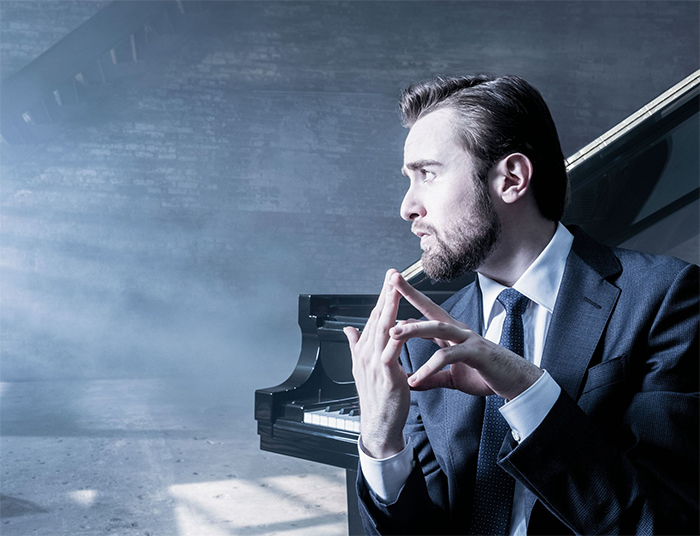
When it comes to the core of the orchestral repertoire, Luisi’s concerts will include Beethoven’s Symphony No. 7 (Oct. 16-18), Schubert’s “Unfinished” Symphony (Oct. 22-24), Debussy’s La Mer (Nov. 21-22) and Mahler’s Symphony No. 1 (April 2-4). Luisi also looks forward to a couple of notable guests bringing not-so-familiar concertos. Pianist Lise de la Salle will take center stage in Rachmaninoff’s Piano Concerto No. 1 (Oct. 22-24), and pianist Daniil Trifonov will return in the Piano Concerto by Rachmaninoff’s boundary-pushing contemporary, Alexander Scriabin (May 14-16).
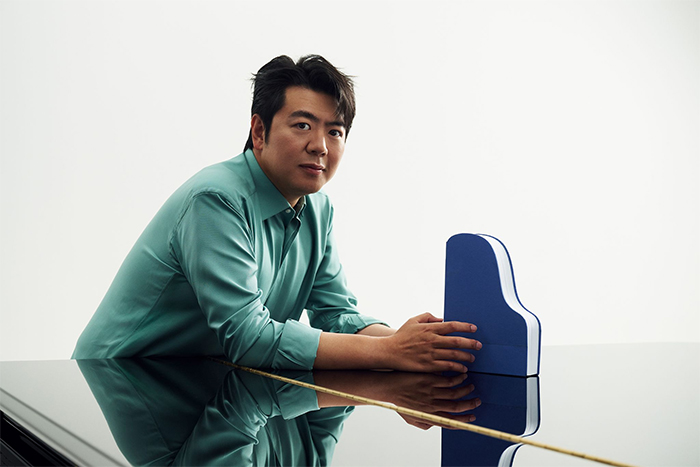
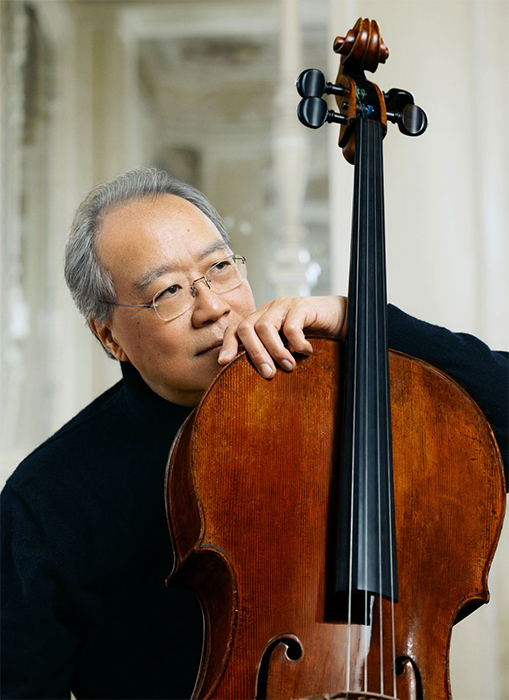
Speaking of guests, “this is definitely a season for superstar soloists,” says Katie McGuinness, the orchestra’s vice president of artistic operations. After nearly a decade away, Yo-Yo Ma will come back to play Antonín Dvořák’s Cello Concerto (Nov. 20). Pianist Lang Lang will fly in for a solo recital (Sept. 15).
1 ⁄5
Daniil Trifonov. Photo by Dario Acosta.
2 ⁄5
Lang Lang. Photo by Sonja Mueller.
3 ⁄5
Yo Yo Ma. Photo by Brantley Gutierrez.
4 ⁄5
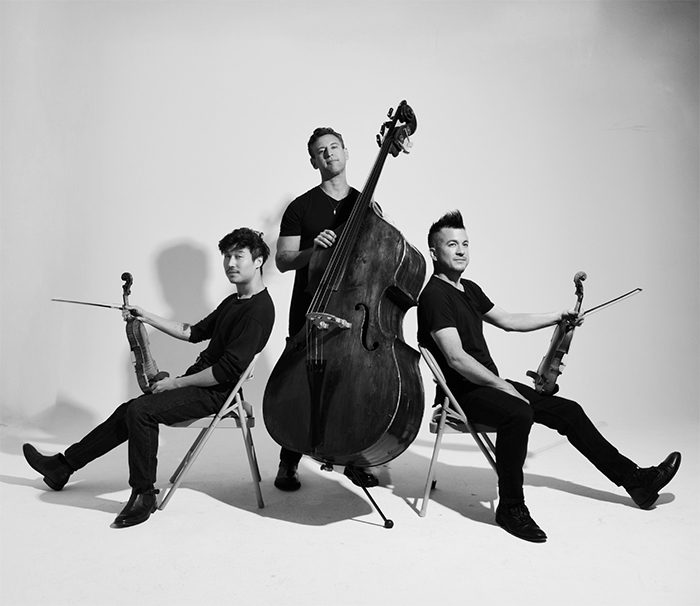
Time for Three. Photo by Shervin Lainez.
5 ⁄5
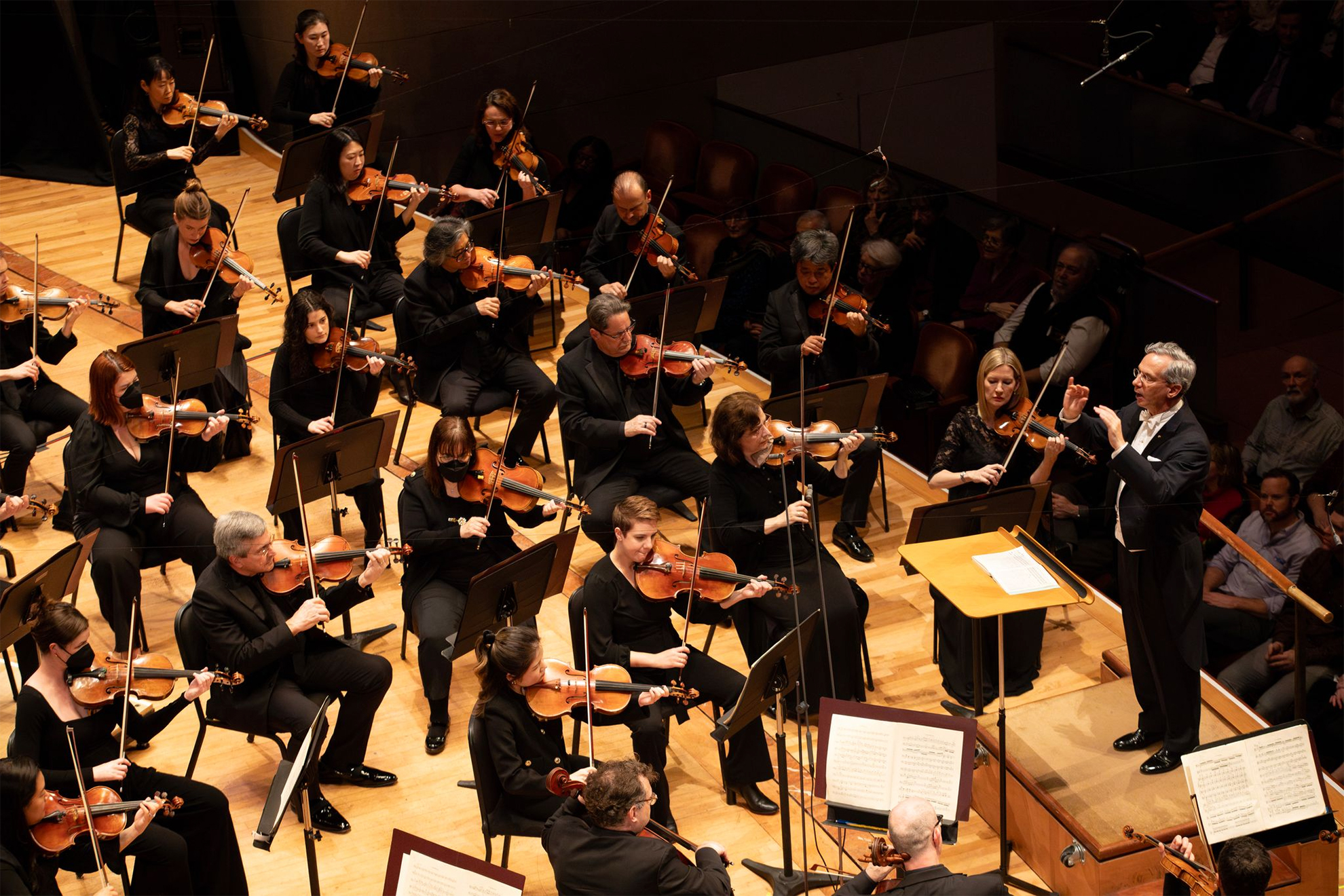
The Louise W. & Edmund J. Kahn Music Director of the Dallas Symphony Orchestra Fabio Luisi conducting the Dallas Symphony Orchestra.
And after headlining the orchestra’s annual gala in 2021, violinist Anne-Sophie Mutter will return for Classical Series concerts (April 2-3). Since vaulting to prominence as barely a teenager, Mutter has racked up “five decades as one of the greatest violinists in the world,” MacGuinness says. When Mutter joined the orchestra on its 2024 European tour, her presence helped sell out every concert, MacGuinness adds.
A longtime advocate of new music, Mutter will join the orchestra this time for the world premiere of the Triple Concerto by Golfam Khayam, an Iranian whose works meld classical and Persian elements. Mutter is “a huge advocate of her music,” MacGuinness says, and the orchestra is co-commissioning the Triple Concerto alongside her. When Mutter proposed the joint commission, Luisi and MacGuinness “went away and listened to (Khayam’s) music and completely fell in love,” MacGuinness recalls.

“The audience reacted so well to Samy’s trombone concerto that I wanted intentionally to program something by him again,” MacGuinness says. She hopes the further acquaintance will help his music gain a foothold. “You know,” she adds, “you’re always constantly trying to expand the canon.”
—STEVEN BROWN