

The Fort Worth Symphony Orchestra has long been a cornerstone of North Texas’ cultural landscape, but under the leadership of music director Robert Spano and principal guest conductor Dame Jane Glover, the ensemble has transformed into one of the most innovative orchestras in the country. The 2026-27 season doubles down on this vision with a symphonic series that’s as intellectually stimulating as it is entertaining, bolstered by programs designed to welcome new audiences and engage all the senses.

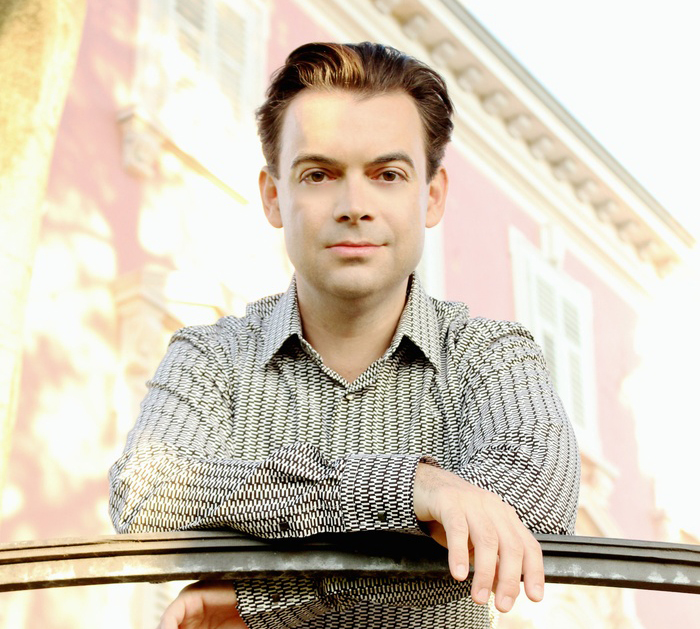
That philosophy continues later the same month with a program devoted to Brahms and Haydn. Pianist Dejan Lazić performs a rare piano transcription of Brahms’s Double Concerto, a work originally written for violin and cello. It’s a fascinating opportunity to hear this masterpiece reimagined for a single instrument, highlighting both Brahms’s compositional ingenuity and Lazić’s considerable virtuosity. The program also includes Brahms’s Variations on a Theme by Haydn and Haydn’s own Symphony No. 104, “London,” creating a musical conversation across the generations.
In October, Spano conducts Steven Stucky’s The Classical Style: An Opera (of Sorts), a witty work that brings Mozart, Beethoven, and Haydn to life as characters portrayed by the Cafritz Young Artists of Washington National Opera. “The Classical Style is a delightful comic operetta filled with humor and insider jokes about music and symphonic playing,” Cerny says. “Robert directed its first run in California, so we are very excited for him to bring it to Fort Worth.”
That same program opens with Missy Mazzoli’s Orpheus Undone, a contemporary work that reimagines the Greek myth, and closes with Britten’s Serenade for Tenor, Horn, and Strings, featuring British tenor Ian Bostridge and FWSO Principal Horn Gerry Wood. It’s a perfect example of the FWSO’s “Theater of a Concert” innovation, performances that incorporate dance, projections, actors, and singers to create a multisensory experience.
That approach reaches its peak in January with a program devoted to Gustav Mahler. “Mahler’s Sixth Symphony, conducted by Robert Spano, paired with Songs of a Wayfarer featuring mezzo-soprano Kelley O’Connor, will be much darker and more serious than last year’s collaboration with Bruce Wood Dance Dallas, the whimsical world premiere of Joby Talbot’s Alice’s Adventures in Wonderland,” Cerny adds. “This time, the choreography by [BWDD artistic director] Joy Bollinger will reflect the symphony’s tragic depth.”
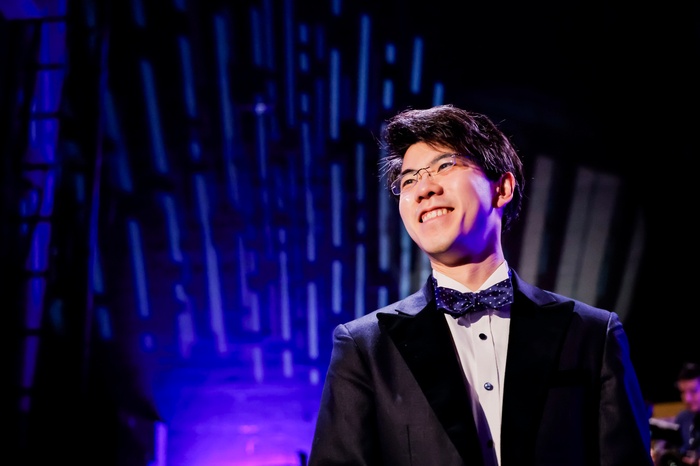
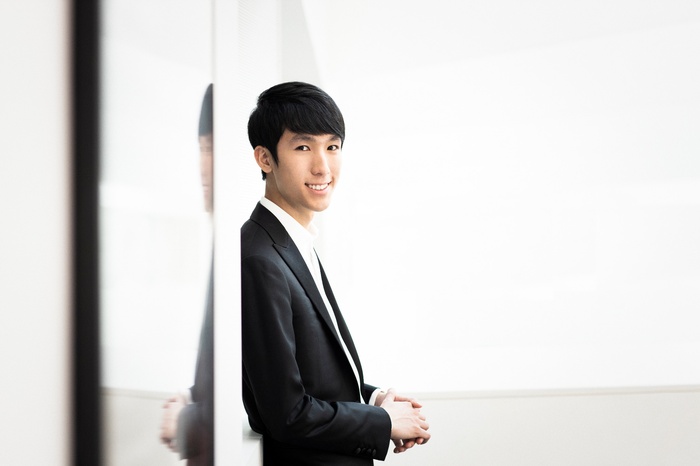
In November, conductor Tomáš Netopil leads a program of Copland, Dvořák, and Rachmaninoff, with pianist Eric Lu performing Rachmaninoff’s Second Piano Concerto. Copland’s Symphony No. 3 sits alongside Dvořák’s bright and festive Carnival Overture.
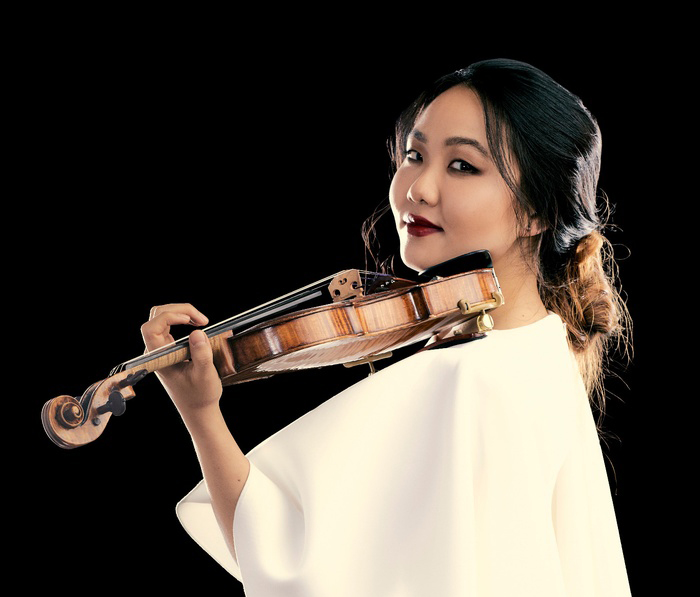
Glover conducts a program of Sibelius and Shostakovich in January. American violinist and Queen Elisabeth Competition winner Stella Chen performs Sibelius’s brooding Violin Concerto, while the orchestra tackles Shostakovich’s Symphony No. 9, a work that transformed from a victory symphony into something far more complex and ironically lighthearted.
Dvořák returns in March under the baton of Anna Skryleva, a conductor Cerny has long championed. “I first met Anna when I ran The Dallas Opera and founded the Hart Institute for Women Conductors—she was in our very first group of six fellows,” says Cerny. “Since then, she’s been invited back three times and her career has really taken off beyond Germany, to Sydney and all over the world.”
1 ⁄10
2 ⁄10
3 ⁄10
Dejan Lazic. Photo courtesy of FWSO.
4 ⁄10
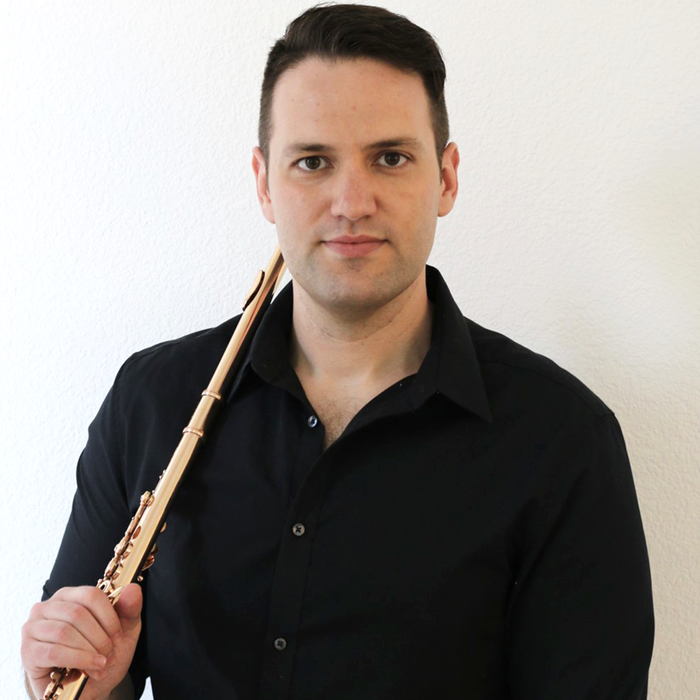
Jake Fridkis. Photo courtesy of FWSO.
5 ⁄10
6 ⁄10
7 ⁄10
Eric Lu. Photo courtesy of FWSO.
8 ⁄10
9 ⁄10
10 ⁄10
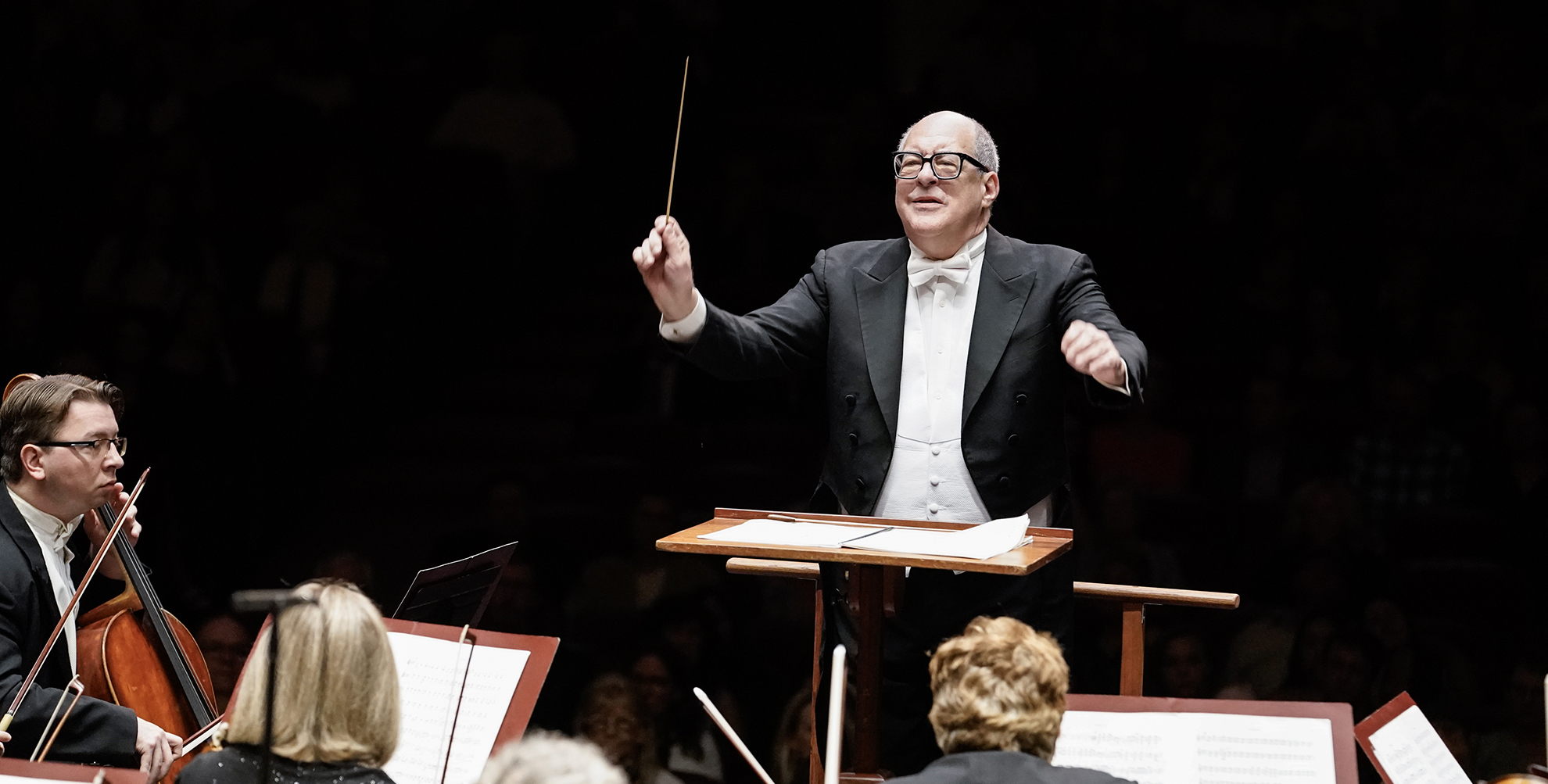
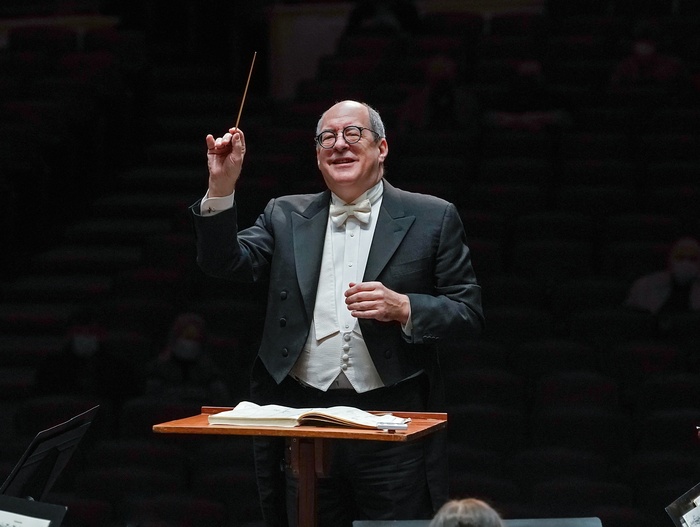
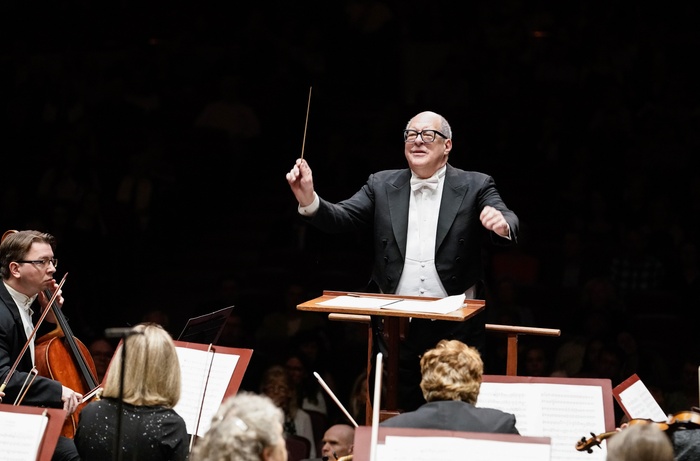
Robert Spano with the Fort Worth Symphony Orchestra. Photo courtesy of FWSO.
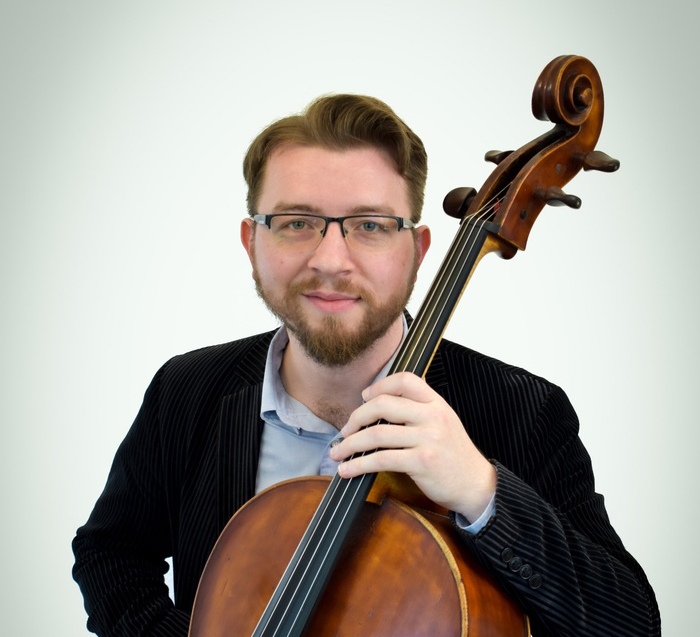
The symphonic season closes with a world premiere: Christopher Theofanidis’s Cello Concerto, performed by FWSO’s principal cellist Allan Steele. Paired with works by Ravel—including the Mother Goose Suite and Suite No. 2 from Daphnis and Chloe—it’s a celebration of both the new and the timeless.
While the symphonic series anchors the season, the chamber series showcases the FWSO’s principal players in a different light. Held in the elegant Renzo Piano Pavilion at the Kimbell Art Museum, these concerts are one-night-only affairs in September, January, and April.
“It’s very much part of our mission to showcase our musicians in these smaller, more intimate settings,” Cerny says. “I’ve also had the privilege of performing as a pianist in some of these chamber concerts. Robert will perform Schubert’s Fantasie in F minor with his Oberlin teacher, Peter Takács, and they’ve even prepared an encore that Robert composed himself for piano four hands.”
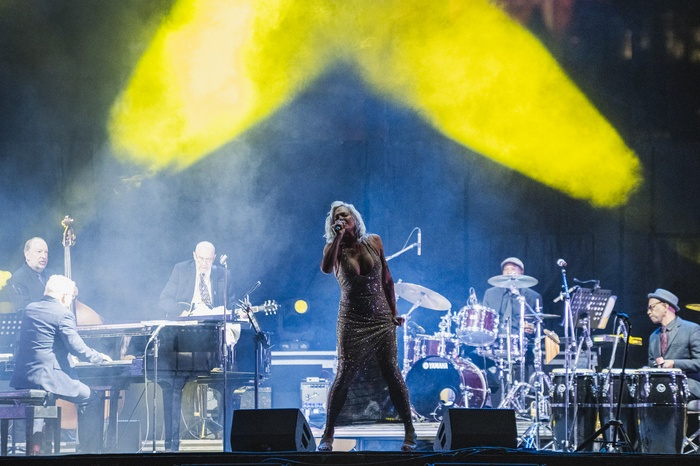
February’s hot-ticket gala concert stars mezzo-soprano Joyce DiDonato, who will perform her famous aria, “Si, son io” (“Yes, it’s me”) from Jake Heggie’s Great Scott, and other operatic favorites, all conducted by Jane Glover. It’s a night that promises to be as glamorous as it is musically sublime.
“Robert’s contract runs through the 2030-31 season, as does mine, and we’re both looking forward to continuing our artistic strategy,” says Cerny. “The future of the FWSO looks very bright indeed.”
— LINDSEY WILSON