
Matthew Dirst, Artistic Director of Ars Lyrica Houston, is a wizard at thematic programming. The six programs of the early music ensemble’s 2026-27 season, Visions and Visionaries, celebrate the power of the imagination, both in the music of visionary composers and the stories they tell. “It’s a team effort. Lots of things get rejected along the way, but it’s a lot of fun to put these things together.”

Dirst is most excited about the two collaborations with the University of Houston Moores School of Music this season. The grand finale (April 16, 18/2027) will feature Handel’s 1734 opera Oreste, adapted from Euripides’s Iphigeneia in Tauris. “The opera is actually a pastiche,” explains Dirst. “Handel raided his previous works and found what are arguably his best arias and stuck them into Oreste.” This will be the opera’s Houston premiere, a collaboration with the Moores Opera Center featuring an all-student cast accompanied by the Moores School Symphony Orchestra and key players from Ars Lyrica. Moores Opera Center Artistic Director Kathleen Belcher, celebrated for her work as stage director at the Metropolitan Opera and many other renowned opera companies around the world, will weave her creative magic for this fully-staged production.
Ars Lyrica’s Christmas offering (Dec. 4, 2026) will be another collaboration with the Moores School, this time featuring its acclaimed Concert Chorale under the direction of Anthony Maglione. Bach’s Magnificat is one of Dirst’s personal favorites. The Virgin Mary, after receiving a vision that she will bear a son, sings a song of praise known in the liturgy as the Magnificat. (“My soul proclaims the greatness of the Lord, and my spirit rejoices in God my Savior, for he has looked with favor on his lowly servant.”) Bach’s masterful setting of the text moves between jubilant choruses and poignant arias, exuding immense joy and energy while eliciting intimate reflection.

1 ⁄7
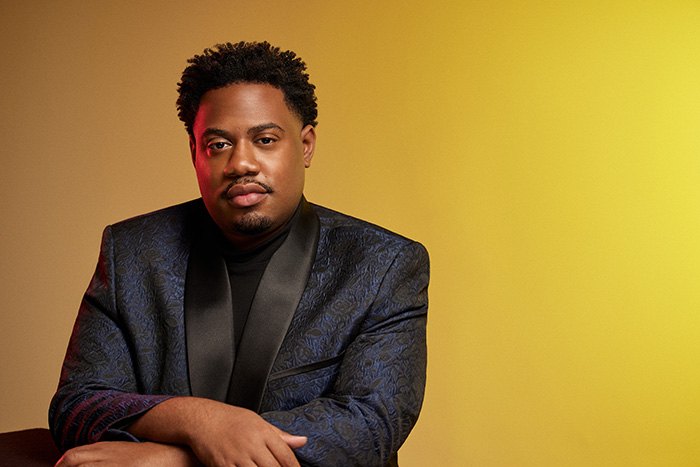
Anthony Maglione. Photo courtesy of the artist.
2 ⁄7
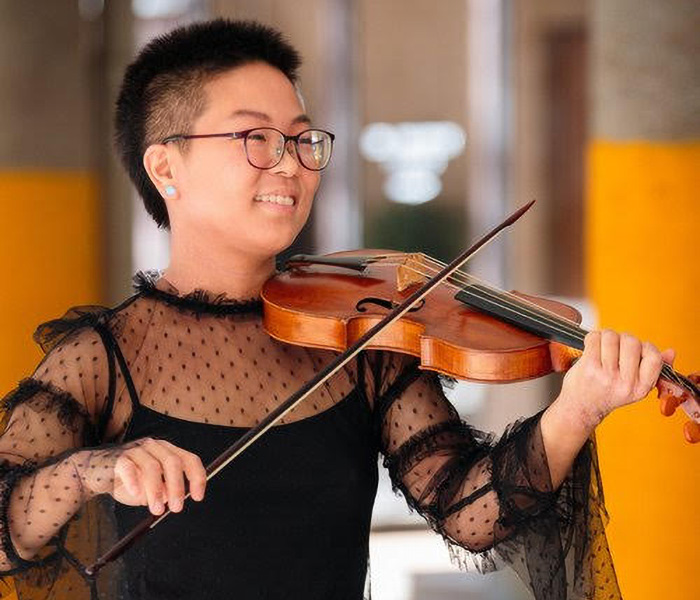
Manami Mizumoto. Photo courtesy of the artist.
3 ⁄7
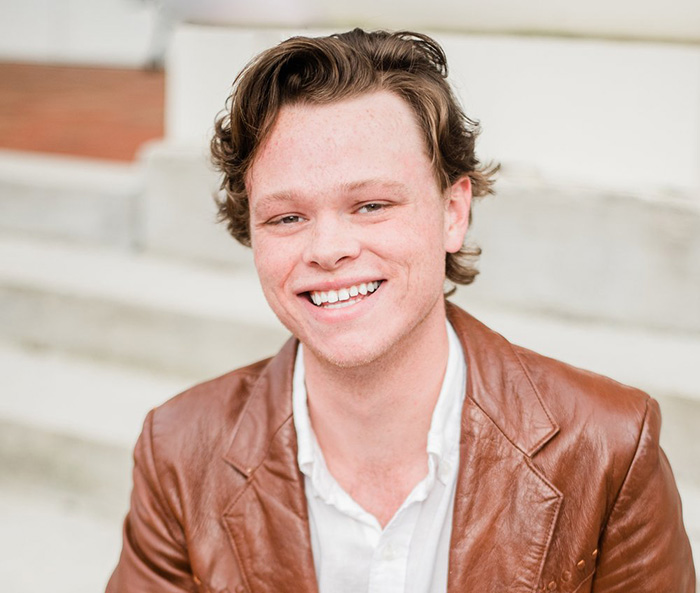
Key’mon Murrah. Photo courtesy of the artist.
4 ⁄7
Thomas O’Neill. Photo courtesy of the artist.
5 ⁄7
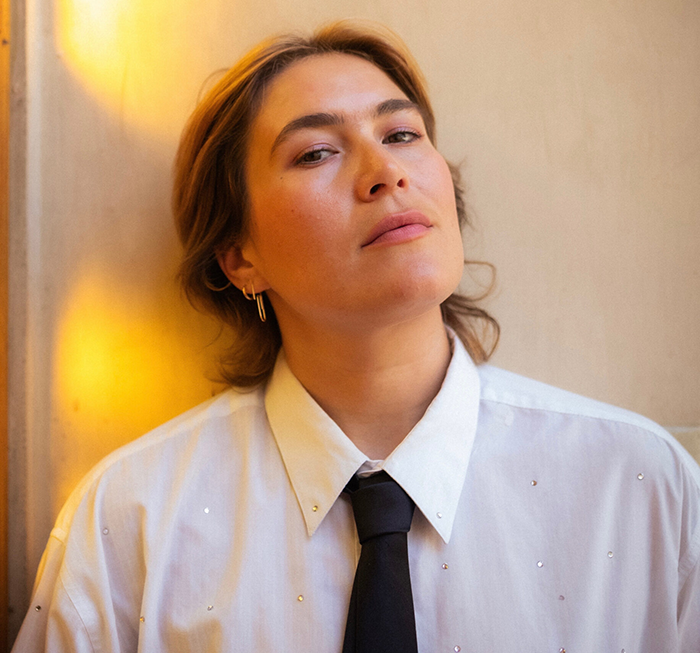
Nikola Printz. Photo courtesy of the artist.
6/7
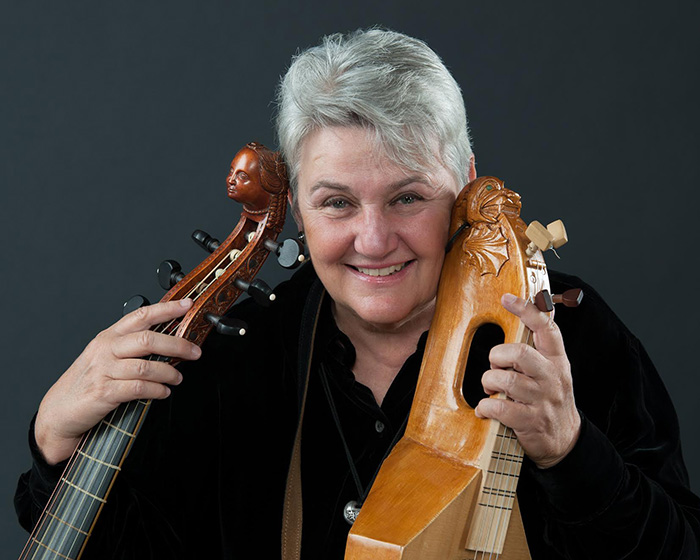
Mary Springfels. Photo courtesy of the artist.
7 ⁄7
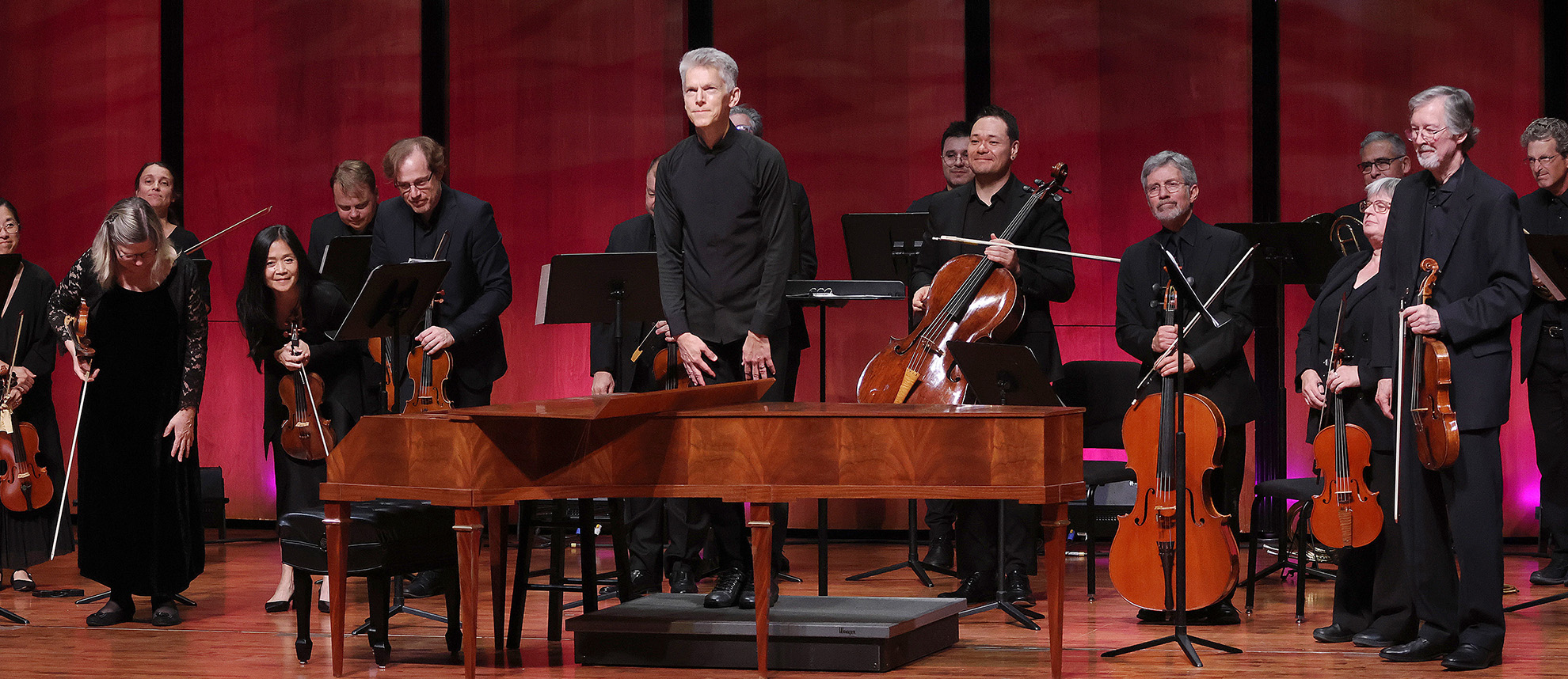
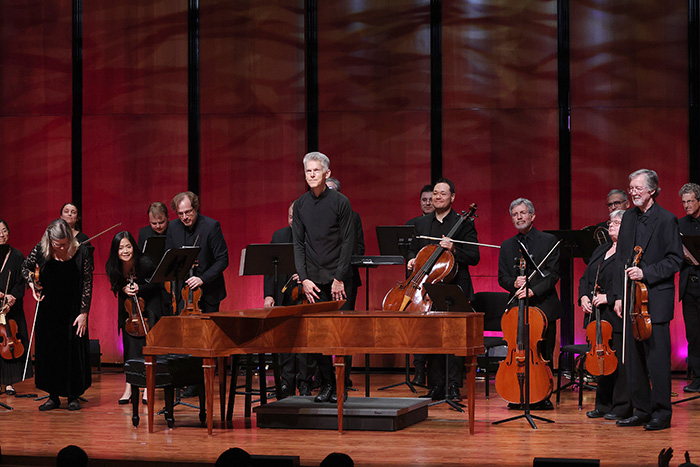
Matthew Dirst and ensemble in the Ars Lyrica Houston production of Classical Collaborations, 2025. Photo by Pin Lim.
The Halloween program Haunted Spirits (Oct. 31, 2026) features another exciting Ars Lyrica debut. Mezzo-soprano Nikola Printz, who have described themselves as a “queer, trans, trapeze-swinging-them-fatale,” are also a pianist, motorcycle enthusiast, and aerial acrobat. “Nikola is a phenomenon,” says Dirst. “They are a mezzo with an extraordinary range and great coloratura. They are quite gifted dramatically as well, with great agility both physically and vocally. I’m just sorry we don’t have an aerialist rig for Nikola for this show.” Printz will be singing the mad scenes from Handel’s Hercules and Alcina. In Hercules, Dejanaria betrays her husband Hercules out of jealousy, giving him a poisoned cloak that leads to his horrendous death. When she realizes what a terrible thing she has done, she goes mad. “It’s a great moment,” muses Dirst. “She’s convinced that the snakes are coming to get her, and all these devilish things and dark spirits bubble up around her.”
On the same program, superstar Baroque violinist Manami Mizumoto will let her virtuosity fly in the unaccompanied version of Tartini’s famous “Devil’s Trill” Sonata. Also on the program is Jean-Féry Rebel’s Les Élemens, which begins in utter chaos with a cluster chord where every note of the D harmonic minor scale is played simultaneously. But Dirst says the C.P.E. Bach Symphony in E Minor is actually the most chromatic and weirdest of all the works on the program. That is saying a lot for this crazy, mad, spooky Halloween show.
In recent years Ars Lyrica has been commissioning new works. “The idea is to have contemporary composers compose for old instruments,” explains Dirst. The centerpiece of the March program (March 6, 2027) is Soy la Diosa (I am the Goddess), words and music by Nicaraguan American composer Gilda Lyons. In her own words, “I receive like heirlooms the stories and images that sprang from the need to understand: If we are ephemeral, can we also be eternal?” The composer chases a vision that “speaks to the mystery around and within each of us.”
—SHERRY CHENG