

There are nights when a song seems to arrive before language does. A bassline vibrates through a room, a poet steps toward a microphone, and suddenly the distance between listening and reading collapses. Rhythm becomes syntax. Memory becomes a chorus. The body understands something before the mind can name it.

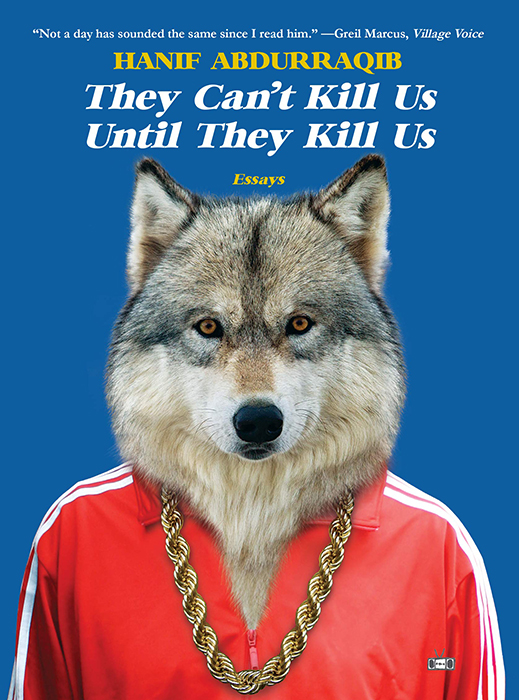
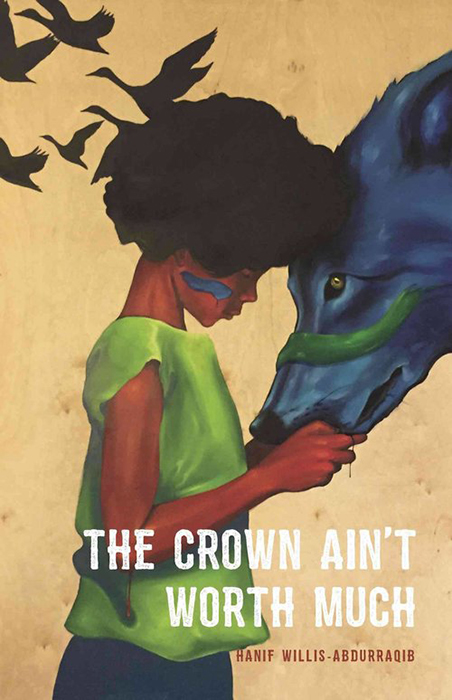
The festival, organized by the Dallas-based independent publisher and arts nonprofit Deep Vellum Books, arrives at a moment when Dallas’ literary identity feels newly urgent and increasingly international. Headlined by Hanif Abdurraqib and Jamila Woods, the lineup stretches across disciplines and geographies: writers from Singapore, Bolivia, Ukraine, Mexico, Nigeria, and across Texas share space with Dallas poets, experimental musicians, translators, and local performers.
“There had always been an idea to do a Deep Vellum Literary Festival,” Deep Vellum founder Will Evans said. “It was sort of built into the DNA of what we were always about.”
That idea sharpened after Evans attended the Mission Creek Festival in Iowa City last year, a gathering devoted to music and literature. Returning to Dallas, he began imagining something rooted specifically in Deep Ellum’s history, not simply as an entertainment district, but as one of Texas’s most vital cultural sites.
“Deep Ellum is a really beautiful neighborhood,” Evans said. “It was the first cultural district recognized by the state of Texas in the city. We wanted to be able to put a festival together that honors the legacy of this neighborhood.”
“There is something about being in the room and sharing that energy and sharing those thoughts in person that I find parallels to with music,” organizer Madison Ford explained. “When you’re hearing poetry actually read out loud and hearing it from the person who wrote it, you’re experiencing that physiologically and intellectually simultaneously.”
Ford’s observation cuts to the core of the festival’s structure. Rather than isolating literary events into quiet institutional spaces, the programming moves through bars, theaters, galleries, bookstores, and music venues across Deep Ellum: Sons of Hermann Hall, Ruins, Undermain Theatre, Kettle Art Gallery, and Poets Books among them. Readings become performances. Panels bleed into concerts. Poetry drifts into the street.
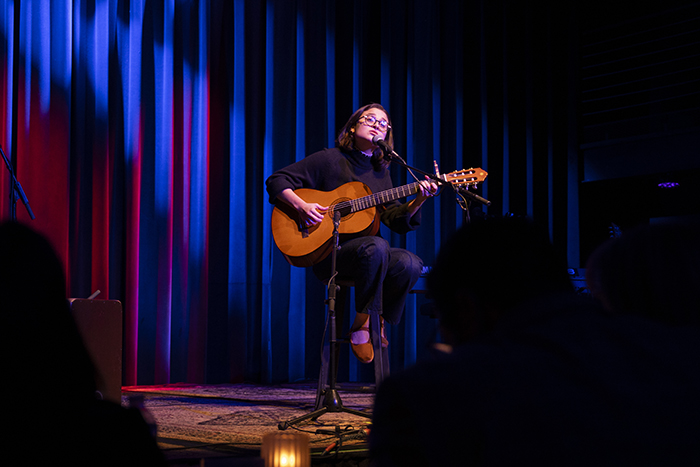
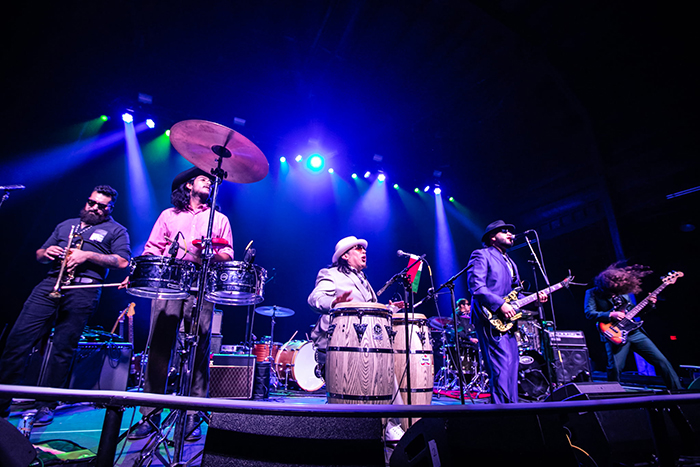
One of the festival’s defining gestures arrives Friday night with a panel devoted to Latin American literature in translation featuring Carmen Boullosa, Rodrigo Hasbún, and Robin Myers before performances by Ceci Ceci and Cayuga All Stars.
Translation, after all, sits at the center of Deep Vellum’s identity. The press built its reputation through translated literature, publishing international writers while simultaneously amplifying Texas voices.
“For us, we have this mentality that it’s like we’re trying to take Dallas to the world and the world to Dallas,” Evans said. “Translation is the dialogue that happens between all of us.”
1 ⁄7
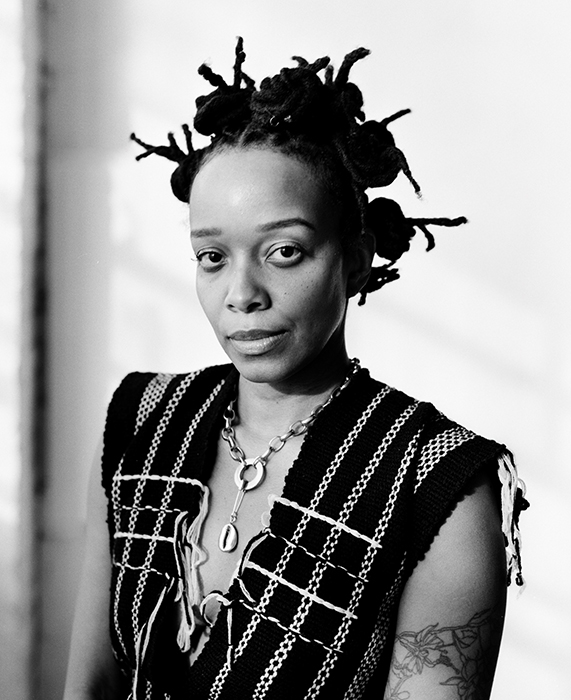
Jamila Woods. Photo by Pidgeon Pagonis.
2 ⁄7
3 ⁄7
4 ⁄7
Ceci Ceci. Photo courtesy of the artist.
5 ⁄7
Cayuga All Stars. Photo courtesy of the artists.
6/7
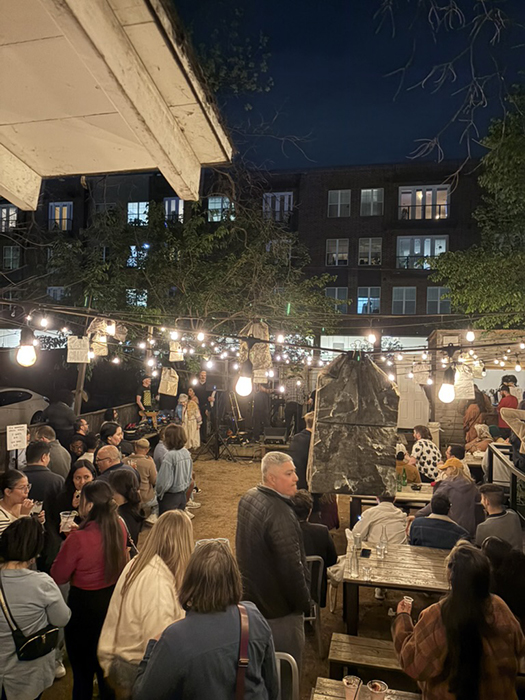
The Wild Detectives & Deep Vellum's 12th Anniversary Party in April 2026. Photo courtesy of Deep Vellum.
7 ⁄7
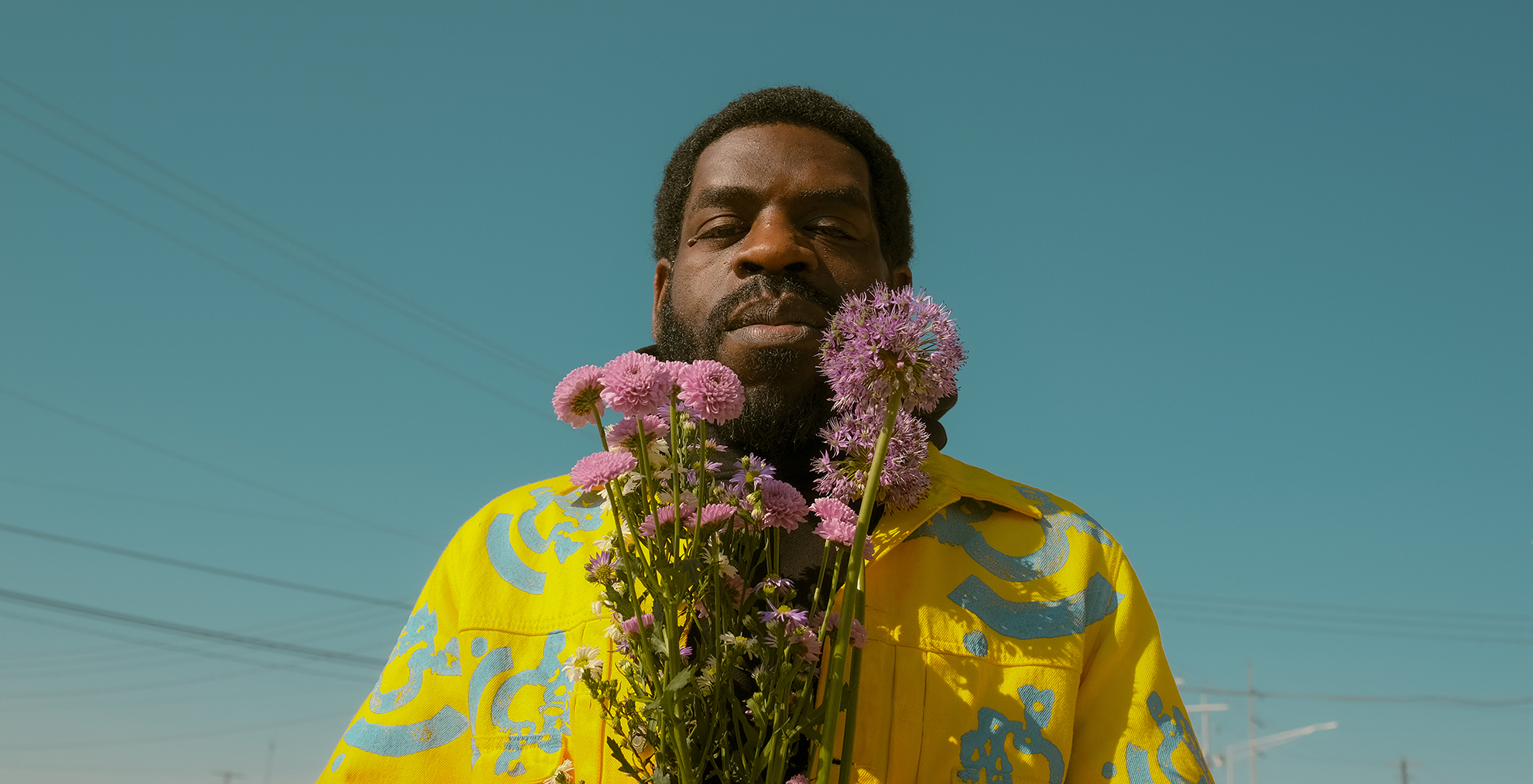
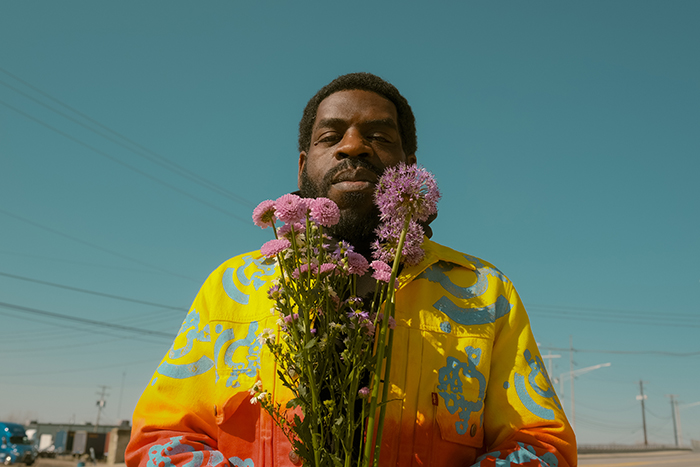
Hanif Abdurraqib. Photo by Kate Sweeney.
“I think audiences are going to get to experience that,” Ford said. “Not just that these are the things you can find at these festivals, but how are these things in conversation with each other?”
The festival’s broader lineup reflects the same commitment to multiplicity. Writers including Quan Barry, Karan Mahajan, Maria Reva, Lawrence Burney, and Sean Thor Conroe appear alongside musicians such as DAMOYEE, D-CLAIM, and Frances Moth. A full afternoon of Dallas poets will unfold outside Poets Books in what Ford describes as “poetry buskers,” allowing verse to circulate through the neighborhood like overheard music.
“It fills the air of this neighborhood,” Ford said. “People passing through will get to experience poetry just in their day and their walk.”
There is also something quietly radical in the festival’s refusal of literary elitism. Evans returns repeatedly to the notion that literature belongs in public life rather than behind institutional gates.
“Literature historically has been seen as kind of an elitist art form,” he said. “We want to smash that. Literature’s for everyone.”
That ethos may ultimately define the festival more than any single headliner or venue. The Deep Vellum Music & Literature Festival is not attempting to become the largest arts festival in Texas. Instead, it feels interested in intimacy, friction, and discovery: the possibility that someone wandering into a venue for a concert might leave carrying a book, or that a reader arriving for a panel discussion might suddenly find themselves immersed in live music.
By the end of the weekend, audiences may leave with new favorite writers, new songs lodged in memory, or new ways of thinking about how art moves through communities. But perhaps the festival’s most lasting gesture lies in something simpler: the insistence that gathering together still matters.
“I want them to feel simultaneously that they have been enriched, but also that they just had a really good time,” Ford said. “People are hungry for human connection.”
—MICHAEL McFADDEN