


An East German punk rocker, a Black female gunslinger, a pair of impressionable teens, a gold-digging pool boy, a riled-up school board, singing World War I soldiers, and William Shakespeare walk into a theater in Fort Worth…

“With this theme, we invite audiences to peel back the top layer of each play and explore the perspectives and emotional impact from a deeper level,” says executive producer Dana Schultes.
“It invites us all to actively dig deeper than we may give ourselves permission to in our day-to-day,” agrees associate producer Garret Storms. “It is important to us to provide a creative space where audiences feel safe to be provoked. We try to ride the line of being fresh and bold while remaining familiar and entertaining.”
First up is the timely Eureka Day (Oct. 22-Nov. 8, 2026), Jonathan Spector’s needle-sharp satire set in an ultra-liberal California elementary school that’s experiencing an outbreak of the mumps—ironically written before the pandemic. “The characters in this play are sincere and sincerely fringe-y,” says Schultes. “They believe their social system is righteous, reverent, and positively progressive. However, the inciting incident of the play polarizes the characters’ perspectives and forces people who think they are ‘on the same page’ to realize they are far apart in what they want or need to believe.”

“It is important right now to consider how young people are pulled into destructive belief systems,” says Storms. “This story is charming and dangerous and seductive and powerful, and I hope it serves as an opportunity to think about the razor’s edge that our society is currently walking.”
“We read this play several years ago, but it wasn’t until recently that it resurfaced as a play that felt absolutely made for this moment,” says Schultes.
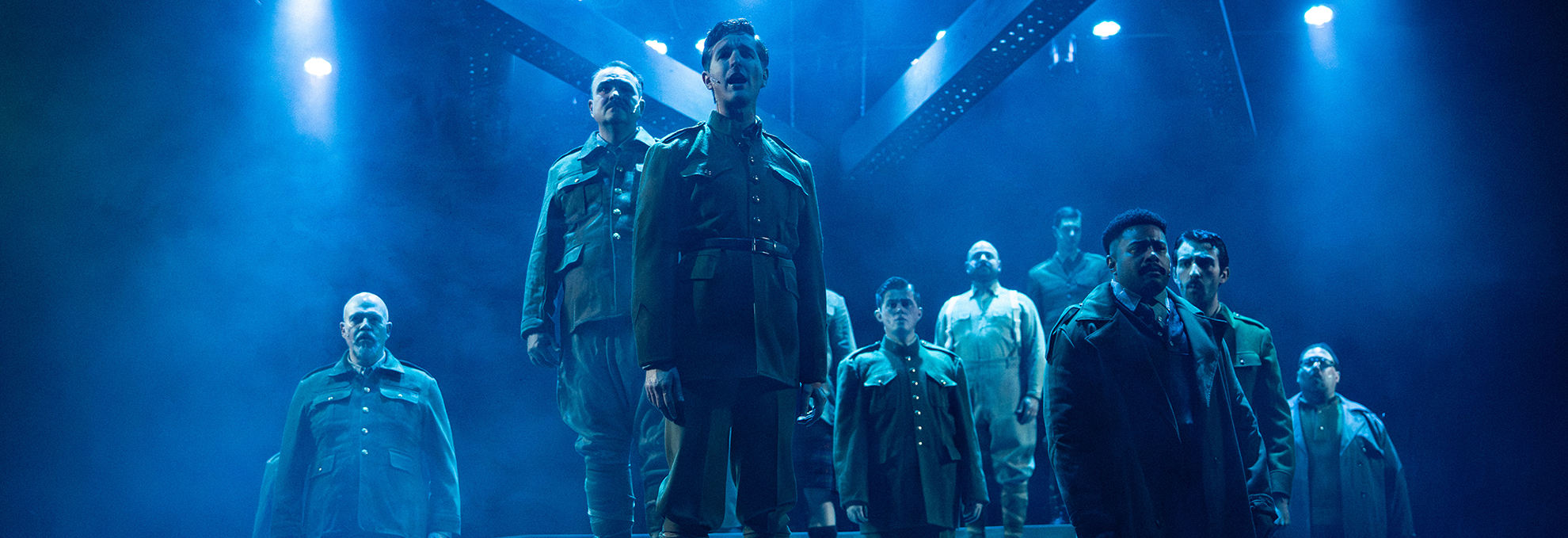
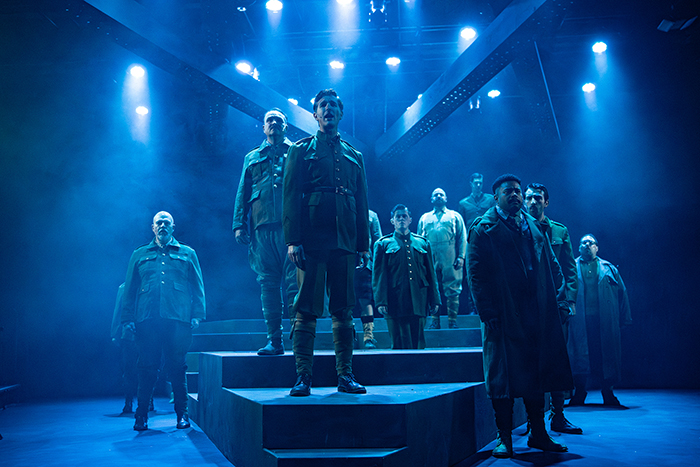
Separate from the main season is an encore of All Is Calm: The Christmas Truce of 1914 (Dec. 2-20, 2026) by Peter Rothstein, with vocal arrangements by Erick Lichte and Timothy C. Takach. “We sent out a survey about a week after the 2025 production closed to see if anyone would truly want to see it again—because that’s what people kept saying as they walked out—and 99% of respondents said ‘yes’!” marvels Schultes.
“This fantastic cast performing the fully a cappella score is simply a marvel—the music is just incredible,” adds Storms. “These soldiers on opposite sides of a war really did lay down their arms and come together to celebrate the holiday. That is the kind of message we need right now: putting aside our differences and embracing the humanity that unites us all.”
Developed in part by the Baylor New Play Initiative and supported by Broadway Dallas through its Texas Born & Raised development program, I, Will: A Late Romance (Jan. 28-Feb. 14, 2027) finds William Shakespeare at a crossroads. His theater is shut down, a plague looms, his love life is a mess, and he has the worst case of writer’s block. The comic-fantasy imagines the origin of Shakespeare’s final plays and proves that it’s never too late to start again.

1 ⁄4
Scott Carter, playwright of I, Will. Photo by Tim Fuller.

2 ⁄4
Hedwig and the Angry Inch starring Garret Storms. Photo by Evan Michael Woods.
3 ⁄4
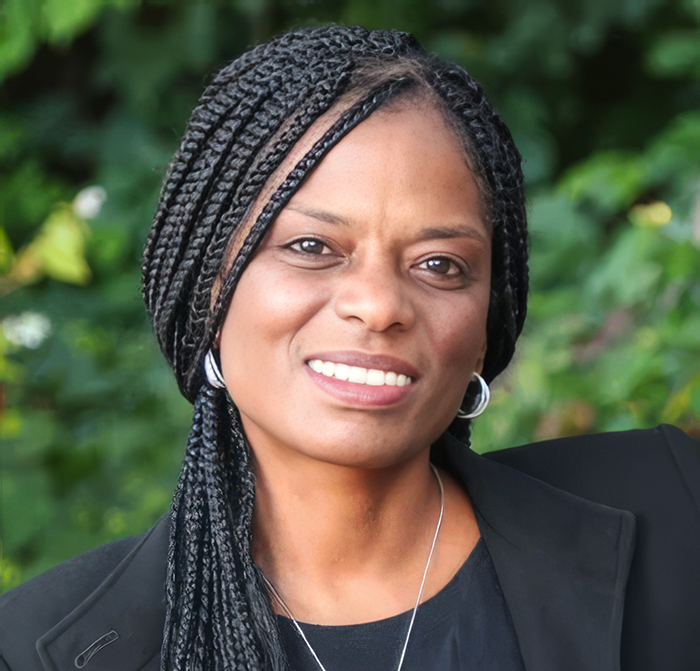
Delicia Turner Sonnenberg, director of Godspeed. Photo by Eduardo Contreras for The San Diego Union-Tribune.
4 ⁄4
The cast of the 2025 Stage West production of All Is Calm: The Christmas Truce of 1914. Photo by Evan Michael Woods.
“This script has all of the trappings of a great Shakespeare plot: humor, magic, ghosts, love, tragedy, passion, and surprise,” hints Storms. “Our director, Emily Scott Banks, has been a part of developing the script with playwright Scott Carter for a few years now, and we are eager to have her finally lead what will be the second full production of the play after its premiere at Riverside Theatre in Iowa.”
Also mixing passion, tragedy, love, and humor is John Cameron Mitchell and Stephen Trask’s Hedwig and the Angry Inch (Mar. 10-27, 2027), which was postponed from last season. Storms himself is tackling the notoriously demanding title role, and says he is preparing physically, mentally, and spiritually for the endurance and stamina it requires.
“It’s certainly an undertaking, but it’s also a dream role and a story that I am very grateful to be able to share. Hedwig has been a gift to so many, and she certainly is to me,” he says. “In many ways, our society feels like it’s been split in two, and with Hedwig’s journey of searching for her other half it feels like an apt time to explore a story of longing to become whole. It is also important to center stories of people like Hedwig, affirming everyone with whom she resonates.”
Godspeed (June 9-27, 2027), a regional premiere by Terence Anthony receiving its second-ever full production at Stage West, reframes the traditional Western genre from the viewpoint of a formerly enslaved Black woman. “It takes themes of freedom, vengeance, and justice and brilliantly, unapologetically demonstrates that none of them are owned by any one demographic,” says Schultes.

Following in the farcical footsteps of previous Stage West hits The Play That Goes Wrong and David MacGregor’s Sherlock Holmes trilogy is An Old-Fashioned Family Murder (Aug. 11-29, 2027) by Joe DiPietro. It’s a comedic mystery that “knows itself,” says Schultes, with Storms agreeing that “it’s a great button on the main season.”
“I hope what audiences discover with our 48th season is a variety of rich material that gives them something to not only look forward to, but also to talk about,” says Schultes. “It contains both entertaining escapism as well as perspective-punches that leave you wanting more. Audiences will feel those moments both in the conversations they provoke during intermission and in hours and days that follow the performance.”
—LINDSEY WILSON