

Texas has rich communities of immigrants. It is common to hear multiple languages in public spaces and more often than not, that language is some variant of Español. It makes sense to feature these voices at the theater, also.

Over the past decade, theater festivals focusing on the experiences of Latinx people have increased, a trend ever more important as immigration enforcement targets people they classify as un-American. It makes sense to examine the experiences of Latinx people in more detail, to provide opportunities for these artists, and to make space for these stories. Visibility is a powerful and necessary act during times of repression.
In Houston, Stages Theater produces the Sin Muros festival; 2026 will be its ninth season. This year, from June 11 through June 14, Sin Muros will feature readings of three new plays that represent different aspects of the Latinx experience: Caravan by Sumaya Zeidat, Dolores, Who Now Knows Everything by Kathleen Culebro; and A Plausible History of Xicotencatl II by James Sanchez. These plays feature topics like Indigenous history, death, and family tension. Festival Coordinator Cesar Jaquez says the readings are only one of several goals. “Our primary objective is to serve as a stepping stone for these works to be fully produced. We need to see more of these diaspora stories on stages both in Houston and regionally. If we can play a part in a show’s journey from concept to production, we are effectively fulfilling our mission.”
1 ⁄7
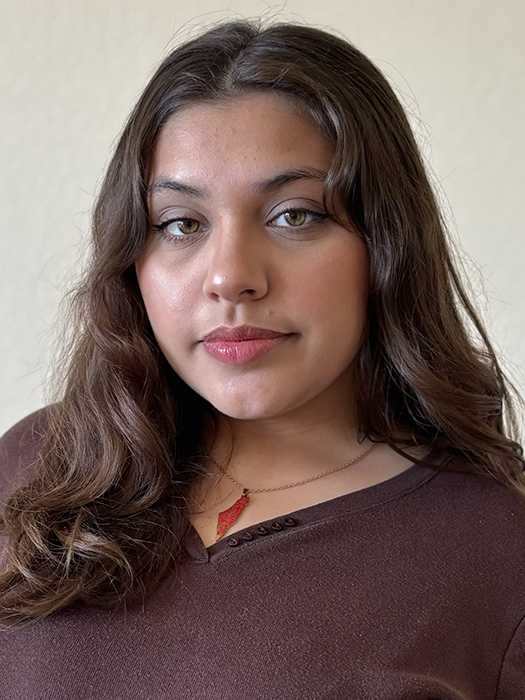
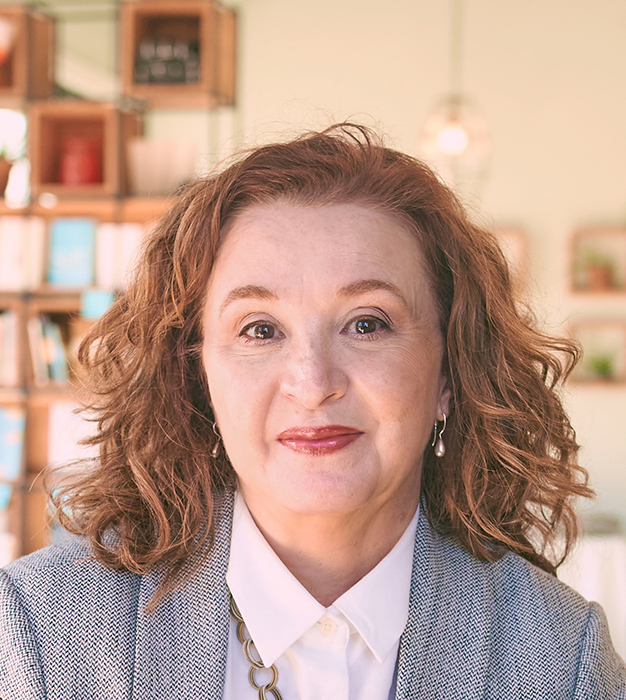
Playwright Sumaya Zeidat, author of Caravan. Photo courtesy of the artist.
2 ⁄7
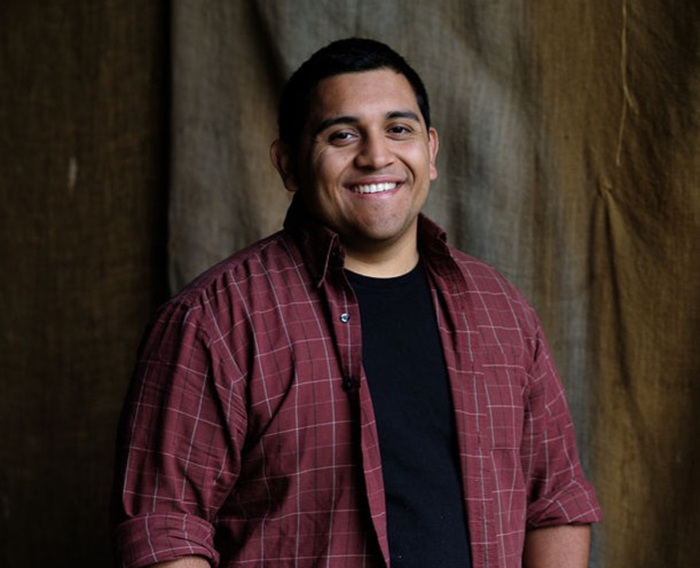
Playwright Kathleen Culebro, author of Dolores, Who Now Knows Everything. Photo courtesy of the artist.
3 ⁄7
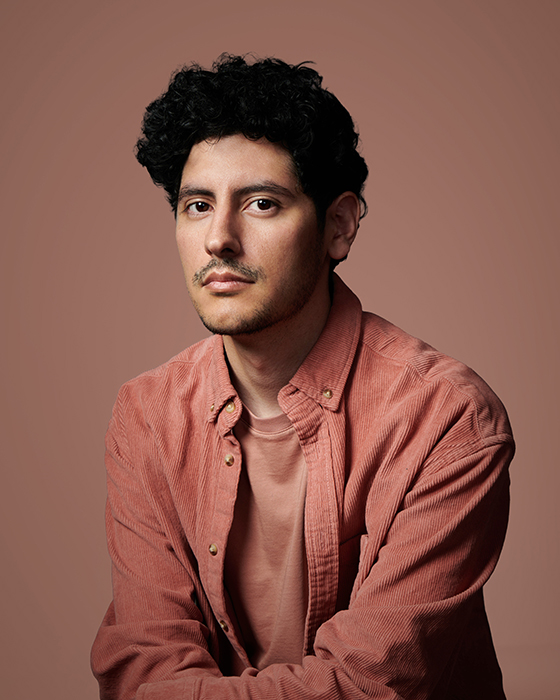
Playwright Jaymes Sanchez, author of A Plausible History of Xicotencatl II. Photo courtesy of the artist.
4 ⁄7
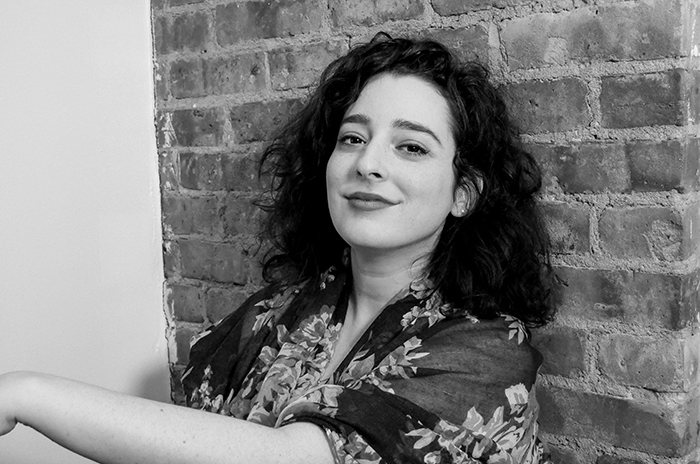
Benjamin Benne, author of Los Feliz, or the live-in nanny play. Photo courtesy of the artist.
5 ⁄7
Lori Felippe-Barkin, author of Ama. Egg. Oyá. Photo courtesy of the artist.
6/7
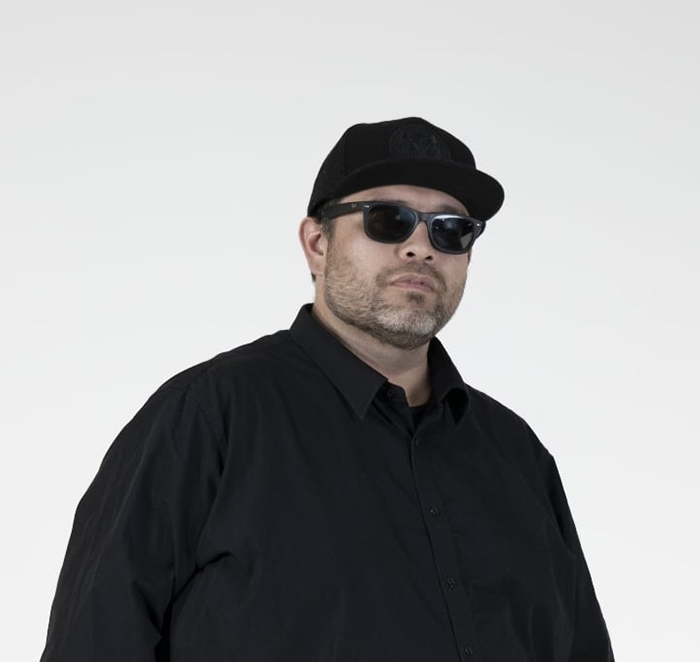
Franky D. Gonzalez, author of Escobar's Hippo. Photo courtesy of the artist.
7 ⁄7
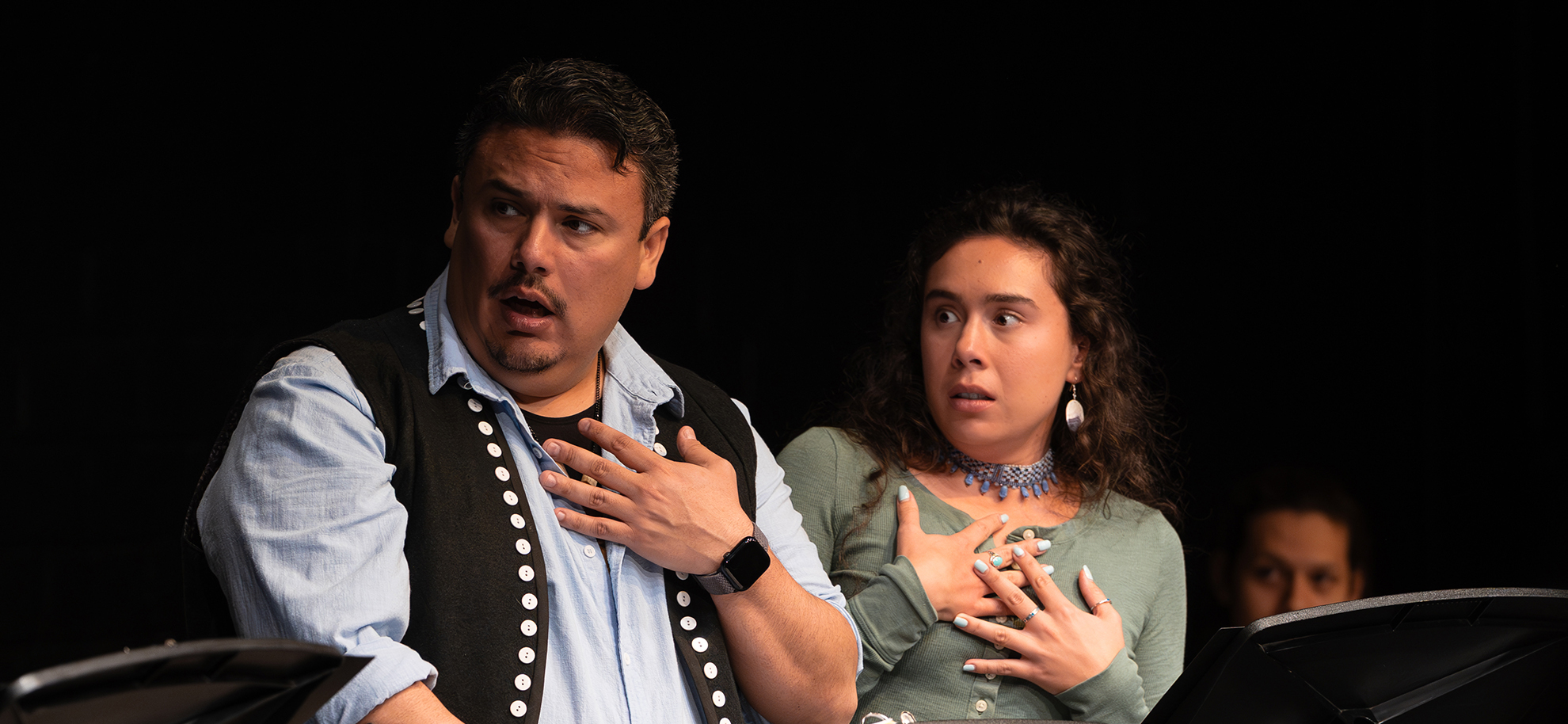
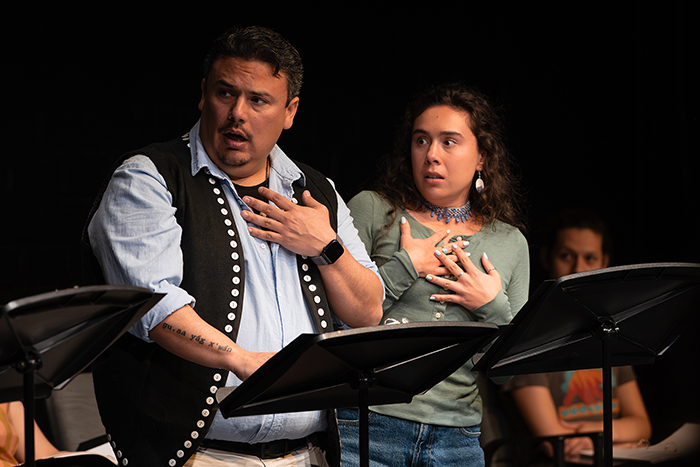
Frank Henry Kaash Katasse and Gigi Buddie in the SparkFest 2025 reading of The Fish by Madeline Sayet, produced by Amphibian Stage. Photo by Evan Michael Woods.
Sin Muros workshops the plays over one week, providing a full artistic staff. Stages Theater Community Engagement Manager Tené Carter says Sin Muros’s collaboration is what makes it special. The plays are selected by a committee where decisions are reached through consensus. That spirit of collaboration extends to the creative teams. “While the director has the final word,” Carter explains, “the playwright remains at the center of the process, and the entire team works together to influence casting. Once in the room, the actors go beyond performing to become an extension of the storytelling itself.” Carter says this collective energy brings the festival to life.
At Sin Muros, artists are exposed to opportunities that can move their career forward. Jaquez says his first professional role was as an assistant director at Sin Muros, which launched his career. In 2024, Sin Muros featured the play that drive thru monterey, by matthew paul olmos. The reading was so successful that Stages is doing a full production opening in May, bringing back the original director, Brenda Palestina.
Plays are meant to be heard and these festivals achieve that goal. “Hearing your work read aloud is essential to the playwriting process,” Jaquez says. “Hearing it out loud resonates differently than when it is internalized, and playwrights need this experience to refine the story they want to tell. This is especially important for Latinx artists, as it is crucial to understand and amplify the specific messages and stories they wish to convey.”
In Fort Worth, Amphibian Stage produces SparkFest annually, which highlights a different marginalized group every year. In the past, Amphibian featured Native American/Indigenous artists (2025), AAPI artists (2024), and MENASA artists (2023). In 2026, SparkFest will celebrate Latinx artists and has invited Patrice Amon, a stage director working mostly in San Diego, as creative consultant. Amon says she relishes the opportunity to share the beauty of her culture and community. She activated her network of Latinx artists to reach a broad spectrum of people able to provide support on the selection committee and as artists to apply to the festival.

Both SparkFest and Sin Muros are more than just a play development and reading festival; they go beyond to create a true community and festival experience. SparkFest’s programming includes an acting competition, adjacent events and art markets, and support from neighboring businesses. Sin Muros will feature an arts market, a financial literacy workshop, and a playwriting workshop.
Amphibian’s Managing Director, Elizabeth Kensek, says that representation of Latinx creators in the performing arts is low. “We know that as of the 2020 census, the reported population of people who self-identified as Hispanic was 19%,” Kensek explains. “And yet according to AAPAC’s 2021-2022 diversity report, Latinx actors in non-profit performing arts only accounted for 5.4% of roles cast nation-wide, and only 1.3% of produced playwrights identified as Latinx.” Kensek says SparkFest always impressed her, even before she worked at Amphibian. “We put everything into making this festival feel different from other national theatre festivals. It is for the artists of all disciplines to serve them and their development, and to build a community with creators and professionals here and across the nation. To see our lobby filled with art makers and patrons connecting and sharing joy for 2 whole weeks from morning until night- it is truly magical.”

Theater brings people together and facilitates conversations. These Latinx theater festivals dial that in, celebrating and creating community and opportunities. Jaquez says that Sin Muros is more than a play reading; it’s a support network for artists who share similar backgrounds, “We owe it to those who paved the way to ensure this festival is more than just a reading of new works,” he says. “It is a significant moment to celebrate the diverse cultures that make up this beautiful diaspora.”
—EMILY HYNDS